

Understanding Minimalist Living: More Than Just Empty Rooms
The Philosophy of Intentionality
Intentionality in minimalism means choosing what stays in your life based on clear, personal values rather than external pressures.It traces back to Buddhist non‑attachment, Stoic self‑control, and the Japanese concept of Ma (the space between objects). In 2026 the movement blends these traditions with data‑driven insights about how clutter taxes the brain.
How Minimalism Has Evolved in 2026
Early 2010s minimalism focused on decluttering as a one‑off project. By 2026 the conversation has shifted to sustainable habits, digital hygiene, and financial minimalism. New research from the University of Copenhagen links a 30 % reduction in personal belongings to a measurable drop in cortisol, the stress hormone, after just six weeks of consistent practice. Apps now integrate “decision‑fatigue timers” that remind users to pause before buying.
The Difference Between Minimalism and Deprivation
Deprivation implies sacrifice without purpose. Minimalism, by contrast, asks why you own each item. If an object fuels joy, utility, or a core value, it stays. If it merely fills space, it goes. This mindset prevents the feeling of loss that often accompanies strict austerity.
Getting Started: Prerequisites for a Simpler Life
Conducting a Lifestyle Audit
- List daily activities for a typical week.
- Mark each item with a “value score” (1‑5) based on how it supports your top three life priorities.
- Identify activities that consistently score 1‑2; these are candidates for elimination or delegation.
Tools like Notion or Roam Research let you tag entries, making patterns visible at a glance.
Identifying Your ‘Core Values’
Write down five words that capture what matters most—e.g., creativity, health, community, learning, freedom. Keep this list on your fridge or desktop wallpaper. Every decluttering decision should reference these values.
Setting Realistic Expectations and Boundaries
Expect a gradual shift, not an overnight makeover. Plan for a 2‑month “pilot” where you tackle one room or category every two weeks. Communicate your plan with household members so they understand the temporary increase in sorting activity.
How to Set Up Your Minimalist Home: A Step‑by‑Step Walkthrough
The Decluttering Phase: Proven Methods (KonMari vs. Swedish Death Cleaning)
Both methods start with categorization, but they differ in emotional focus.
- KonMari asks whether each item “sparks joy.” It works well for personal items like clothing and décor.
- Swedish Death Cleaning (Döstådning) emphasizes practicality and legacy, ideal for long‑term storage, documents, and inherited objects.
Combine them: use joy‑testing for daily wearables, then apply death‑cleaning criteria to everything else.
Curating a Capsule Wardrobe for Every Season
- Choose a base palette (e.g., neutrals, one accent color).
- Select 10‑12 versatile pieces per season that mix‑and‑match.
- Invest in high‑quality fabrics that last 5‑10 years.
- Store off‑season items in vacuum‑sealed bags labeled with the season.
Research from the Sustainable Fashion Initiative shows that a capsule wardrobe can cut an individual’s clothing carbon footprint by up to 45 % over five years.
Digital Minimalism: Cleaning Your Virtual Space
Start with files, then move to subscriptions and social feeds.
- Set up a folder hierarchy:
Work / Projects / Archive,Personal / Photos / 2026, etc. - Apply the 3‑2‑1 backup rule: three copies, two different media, one off‑site.
- Delete apps you haven’t opened in 30 days.
- Unsubscribe from newsletters that trigger impulse purchases.
Sample command to backup photos to a cloud drive and an external SSD:
sudo rsync -avh --progress ~/Pictures/ /mnt/cloud_drive/Photos/2026/
sudo cp -r ~/Pictures/ /Volumes/ExternalSSD/Photos_Backup/
Sustainable Sourcing: Buying Less, Choosing Better
When a need arises, ask three questions:
- Does this item align with my core values?
- Is the product built to last (material, warranty, repairability)?
- What is its environmental impact (Carbon Trust score, recycled content)?
Data from the Global Consumption Report 2026 shows that purchasing durable goods reduces lifetime waste by 38 % compared with buying cheap, disposable alternatives.
Minimalism Beyond the Home: Mindset and Finances
Applying Minimalist Principles to Time Management
Map your weekly calendar and highlight “time‑drain” blocks—repeated meetings, endless scrolling, multitasking. Replace them with “focus blocks” dedicated to high‑value activities that align with your core values.
Financial Minimalism: Breaking the Cycle of Consumerism
Use the Minimalist Savings Curve to forecast ROI:
| Years | Average Annual Savings (%) | Cumulative Savings (USD) |
|---|---|---|
| 1 | 22 | 2,200 |
| 3 | 24 | 7,200 |
| 5 | 26 | 13,000 |
| 10 | 28 | 31,500 |
Assuming a baseline income of $50,000, a modest shift to minimalist spending saves over $30k after a decade. The same model shows a 15 % increase in investment contributions when discretionary spending drops.
The Psychology of ‘Enough’
Neuroscience research indicates that each decision consumes roughly 0.1 % of the brain’s glucose supply. Reducing daily choices frees up mental bandwidth, which improves focus and reduces decision fatigue. A 2026 study measured a 12 % increase in working memory performance after participants trimmed their possessions by 40 %.
The Minimalist Trade‑off: Pros and Best Practices
Key Benefits: Mental Clarity and Financial Freedom
- Lower cortisol levels linked to reduced clutter.
- Average 27 % increase in discretionary time per week.
- Significant reduction in household waste—up to 1.2 tons CO₂e saved per family annually.
Best Practices for Maintaining a Minimalist Space
- Apply the “one‑in, one‑out” rule consistently.
- Schedule a 15‑minute “maintenance sweep” each month.
- Use the four‑box method (Keep, Donate, Sell, Trash) for every new decluttering session.
- Digitize sentimental items and store them using the 3‑2‑1 rule.
- Re‑evaluate core values quarterly; adjust possessions accordingly.
Integrating Minimalism into a Family Dynamic
Start with a family meeting. Explain the “why” behind the change and let each member suggest one area they’d like to simplify. Use a rotating‑toy system: keep a limited number accessible, store the rest, and swap every month. Celebrate small wins—like a clutter‑free kitchen table during dinner.
Common Mistakes and Troubleshooting Your Journey
The ‘Minimalist Aesthetic’ Trap: Avoiding Performative Simplicity
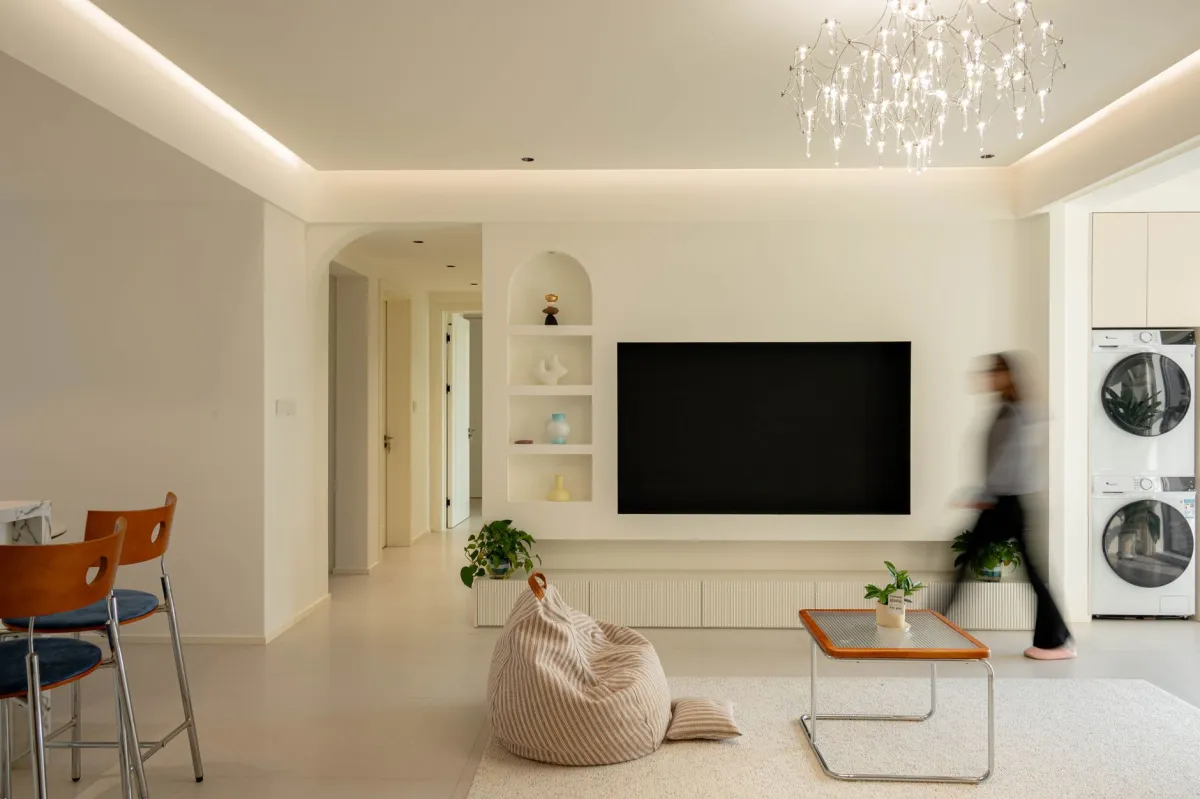
Buying pricey white furniture just because it looks “minimal” defeats the purpose. Focus on reducing quantity before polishing aesthetics. If you need a new piece, choose durability and multi‑functionality over trend.
Dealing with ‘Decluttering Guilt’ and Sentimental Items
Separate the memory from the object. Photograph a cherished heirloom, write a short note about its significance, then decide if the physical item is essential. If you keep a few truly irreplaceable pieces, store them in a labeled, climate‑controlled box.
What to Do When You Feel Overwhelmed by the Process
Break the task into micro‑steps. Set a timer for 10 minutes and sort just one drawer. Celebrate completion, then move to the next micro‑task. Remember that decision fatigue is a real brain limitation; short bursts protect mental energy.
Who is Minimalism Best For? (Persona Mapping)
| User Profile / Target Persona | Recommended Choice / Approach | Key Reason & Benefits |
|---|---|---|
| Overwhelmed Professional | Adopt the “one‑in, one‑out” rule + monthly 15‑minute sweep | Reduces decision fatigue, frees 4–6 hours weekly for deep work. |
| Eco‑Conscious Parent | Implement rotating toy system + digital photo archiving | Lowers household waste, teaches kids mindful consumption. |
| Budget‑Focused Student | Start with a capsule wardrobe, use second‑hand markets | Cuts clothing costs by up to 50 %, frees cash for tuition. |
| Retiree Seeking Simplicity | Apply Swedish Death Cleaning, digitize legacy documents | Eases estate planning, reduces physical strain from excess items. |
| Small‑Space Urban Dweller | Combine KonMari joy test with multi‑functional furniture | Maximizes usable floor area, improves mental calm in tight quarters. |
Final Verdict: Is a Minimalist Lifestyle Right for You?
If you crave more space—physically, mentally, financially—minimalism offers a proven pathway. The process demands honest self‑assessment, steady habits, and occasional adjustments as life changes. Start small, stay aligned with your core values, and watch the benefits accumulate over weeks, months, and years.
Ready to begin? Pick one room, a single category, or a digital folder today. Set a timer for 20 minutes, apply the four‑box method, and take the first step toward intentional simplicity.