
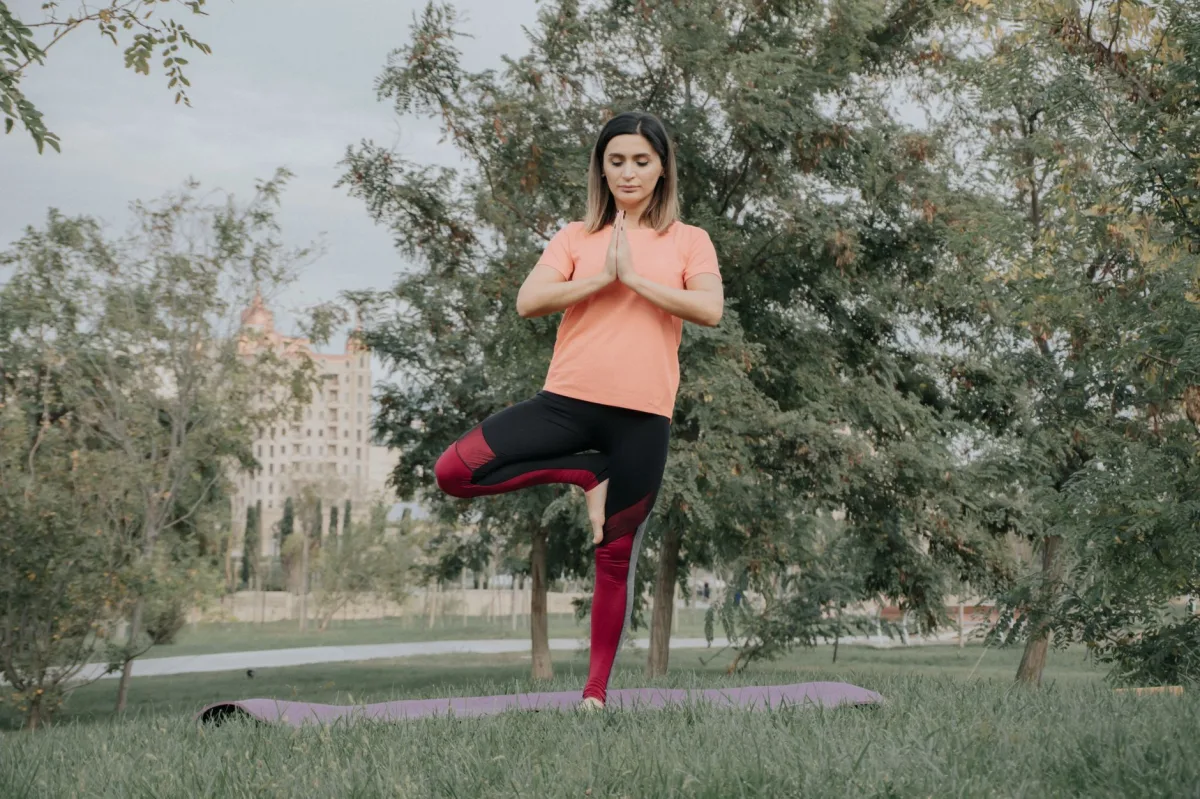
Understanding the Power of Micro‑Habits
Why Small Changes Lead to Big Results
Most people think health improvement requires a massive overhaul—new diet, intense workouts, strict schedules. In practice, the brain treats a habit as a loop: cue, routine, reward. When the loop is tiny, the brain can close it quickly, reinforcing the behavior. A 10‑second stretch after waking, a sip of water before each coffee, or a two‑minute breathing pause before email all satisfy the loop without taxing willpower.
The Science of Habit Formation in 2026
Recent neuro‑imaging studies show that the basal ganglia, the brain’s habit hub, stabilizes a new routine after roughly 66 days of consistent repetition. However, the “66‑day rule” masks a distribution: 20 % of people lock in a habit in under 30 days, while another 20 % need 90 days or more. The decisive factor is contextual consistency—performing the action in the same environment each time.
A micro‑habit is a deliberately tiny behavior that can be completed in under a minute and requires minimal effort, yet aligns with a larger health goal.
Setting Realistic Expectations for Wellness
- Pick one micro‑habit per week. Trying to embed five at once overwhelms the basal ganglia.
- Measure progress with a simple log, not a complex spreadsheet.
- Celebrate the cue‑routine‑reward loop each time; the brain learns faster when the reward is immediate.
Essential Requirements for a Healthy Lifestyle
Basic Tools for Tracking Progress
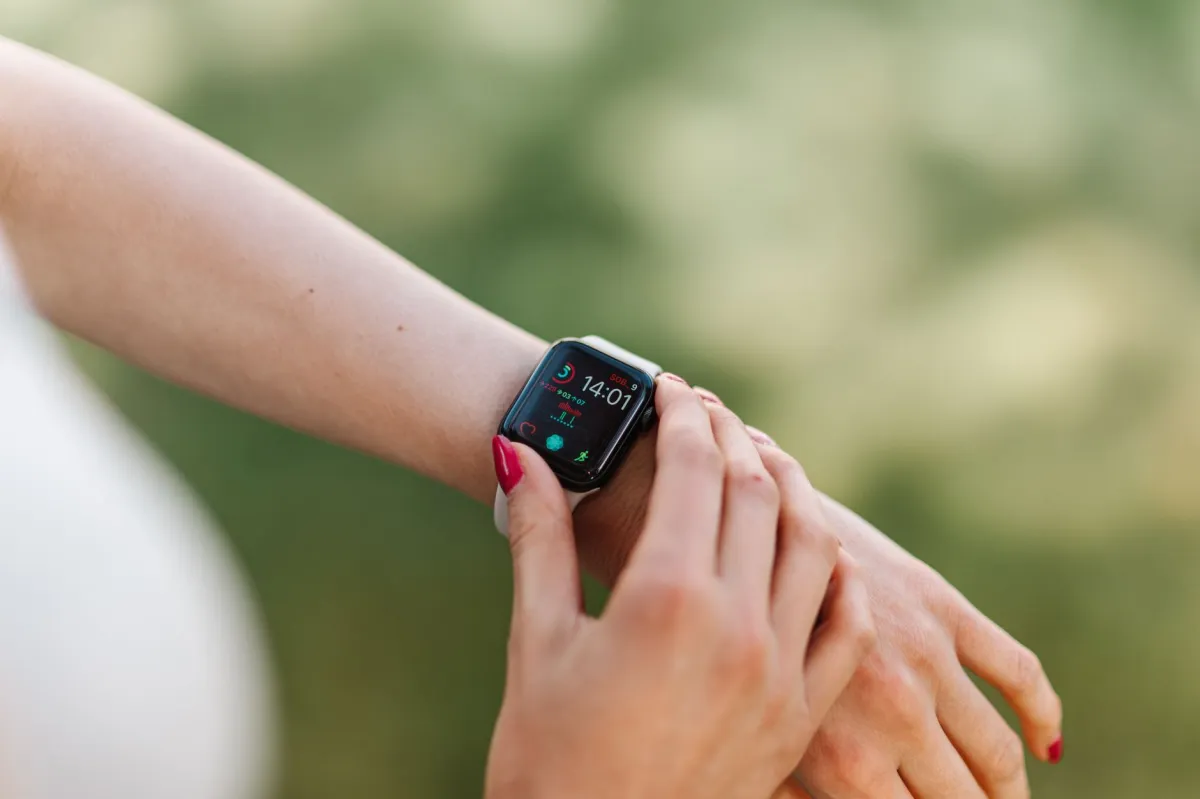
A lightweight habit tracker eliminates friction. On Android or iOS, the free HabitPulse app lets you tap a button to log a habit, add a quick note, and view a streak counter. For terminal lovers, the open‑source habit-cli works in any shell.
# Install habit-cli via Homebrew (macOS) or Linuxbrew
brew install habit-cli

# Log a new habit entry
habit log "drink water" --note "8‑oz after bathroom"
Both approaches write to a plain‑text JSON file, so you can back it up with any cloud service.
Creating a Supportive Home Environment
Visual cues reduce decision fatigue. Place a reusable water bottle on your desk, keep a bowl of fresh fruit on the kitchen counter, and store a yoga mat beside the couch. When the environment nudges you, the cue part of the habit loop appears automatically.
Mindset Shifts: Consistency Over Perfection
Perfectionism fuels the “all‑or‑nothing” trap. Replace “I must work out 60 minutes every day” with “I will move for at least 5 minutes whenever I notice the cue.” The brain rewards any movement, and the habit solidifies faster.
Core Daily Habits for Optimal Well‑being
Hydration Strategies: Beyond Just Drinking Water
- Start the day with a glass of electrolyte‑enhanced water (250 ml). This jump‑starts cellular function.
- Set a timer for every 90 minutes; when it rings, take a sip.
- Replace one sugary drink with infused water (cucumber, mint, lemon) each day.
Research from 2026 links a steady 2‑L daily intake to a 12 % reduction in perceived fatigue.
Nutritional Basics: Simple Swaps for Better Energy
Swap refined carbs for low‑glycemic alternatives. Example: replace white rice with quinoa or cauliflower rice. Add a protein source (legumes, eggs, tofu) to every meal to stabilize blood sugar.
Movement Integration: How to Stay Active Without a Gym
Micro‑movement bursts fit into any schedule:
- Desk‑side stretch: 30 seconds of neck rolls, shoulder shrugs, and wrist extensions every hour.
- Stair sprint: Two flights of stairs in the morning and evening.
- Living‑room flow: 5‑minute body‑weight circuit (squats, push‑ups, plank) while watching a TV show.
Sleep Hygiene: Optimizing Your Circadian Rhythm
- Dim lights 90 minutes before bedtime; use amber bulbs or a blue‑light filter on devices.
- Keep the bedroom temperature between 18‑20 °C (64‑68 °F).
- Follow a “wind‑down” ritual—read a page of a physical book, journal three gratitude points, then close the lights.
2026 meta‑analyses show that a consistent 7‑8 hour window improves immune markers by 15 %.
Mindfulness Practices for Modern Stress Management
Three simple practices fit into a coffee break:
- Box breathing (4‑4‑4‑4): inhale 4 seconds, hold 4, exhale 4, hold 4.
- Five‑sense check‑in: name one thing you see, hear, feel, smell, and taste.
- Micro‑gratitude: type a single word of thanks into your phone notes.
Best Practices for Long‑Term Sustainability

The Art of Habit Stacking
Pair a new micro‑habit with an already‑stable routine. Example: after brushing teeth (existing habit), drink a glass of water (new habit). This leverages an already‑strong cue.
Using Technology for Accountability
Beyond habit apps, smart wearables now provide real‑time hydration alerts and posture reminders. The 2026 “HealthSync” API lets you push custom alerts to any device:
# Example: Send a hydration reminder at 10 am via HealthSync
curl -X POST https://api.healthsync.io/v1/reminders \
 -H "Authorization: Bearer $HS_TOKEN" \
 -d '{"time":"10:00","message":"Time for your 8‑oz water"}'
Balancing Discipline with Flexibility
Life throws curveballs—travel, illness, workload spikes. Build “flex windows”: a 30‑minute buffer where any missed habit can be completed later that day. If the buffer is used more than twice a week, reassess the habit’s difficulty.
Common Mistakes and How to Troubleshoot Them
The ‘All‑or‑Nothing’ Fallacy
When a day feels “failed,” people abandon the entire plan. Counteract by logging even a 1‑minute version of the habit. The streak remains unbroken, and the brain still receives a reward.
Overloading Your Schedule: Avoiding Burnout
Adding three new habits in a single week spikes cortisol. Use a “habit calendar” to schedule one addition per seven‑day block. Review weekly and adjust the difficulty before adding another.
Dealing with Plateaus and Lack of Motivation
Plateaus often signal that the habit has become automatic and no longer triggers a dopamine spike. Refresh the reward: switch from a mental note to a tangible token, like a sticker on a habit wall or a 5‑minute podcast episode you enjoy.
Who is This Approach Best For?
| User Profile / Target Persona | Recommended Choice / Approach | Key Reason & Benefits |
|---|---|---|
| Beginner – New to health routines | Start with one micro‑habit (e.g., 8‑oz water after bathroom) | Low barrier to entry, quick reward loop builds confidence. |
| Busy Professional – 40‑hour weeks + travel | Habit stacking with existing office tasks (e.g., stretch after email) | Integrates movement without adding extra time, improves posture. |
| Student – Variable schedule, late nights | Flexible sleep‑hygiene ritual + timed hydration alerts | Stabilizes energy for study sessions, reduces caffeine reliance. |
| Retiree – More free time, focus on longevity | Morning walk + mindfulness journal | Supports cardiovascular health, enhances mental sharpness. |
| Fitness Enthusiast – Already active | Micro‑nutrition swaps + post‑workout recovery stretch | Optimizes fuel, accelerates recovery, prevents overtraining. |
Final Verdict: Your Path to Sustainable Health
Health isn’t a destination; it’s a series of tiny decisions that add up. Pick one micro‑habit today—place a water bottle on your desk, set a 90‑minute timer, or stretch for 30 seconds after each meeting. Log it, reward yourself, and let the habit loop do the rest. In a week you’ll notice a subtle lift; in a month, a stronger foundation. The journey begins with a single, intentional step.