
Executive Summary: Cream vs Ointment at a Glance
The Quick Verdict
Both cream and ointment have a place in modern skin care and topical therapy. Creams excel when a light feel, rapid absorption, and cosmetic acceptability matter. Ointments dominate when an occlusive barrier, prolonged drug contact, and long‑term stability are required. Your choice should match the condition, the active ingredient, and the user’s lifestyle.
Key Differences in Composition
In 2026 the market still follows the classic split: creams are oil‑in‑water emulsions with roughly equal parts water and lipid, while ointments are primarily oil‑based (petrolatum, lanolin, or high‑oil emulsions) with little to no water. This fundamental difference drives everything else—from texture to shelf life.
What is cream? A semi‑solid, water‑rich emulsion that spreads easily, absorbs quickly, and leaves a non‑greasy finish. It typically contains 40‑60 % water, emulsifiers, and a blend of oils or silicones to stabilize the mixture.
What is ointment? A dense, oil‑dominant preparation designed to form a protective film on the skin. Ointments contain 70‑100 % lipids (petrolatum, mineral oil, lanolin) and minimal water, creating a highly occlusive barrier.
What is Cream? Understanding Water‑Based Topicals
Composition and Ingredients
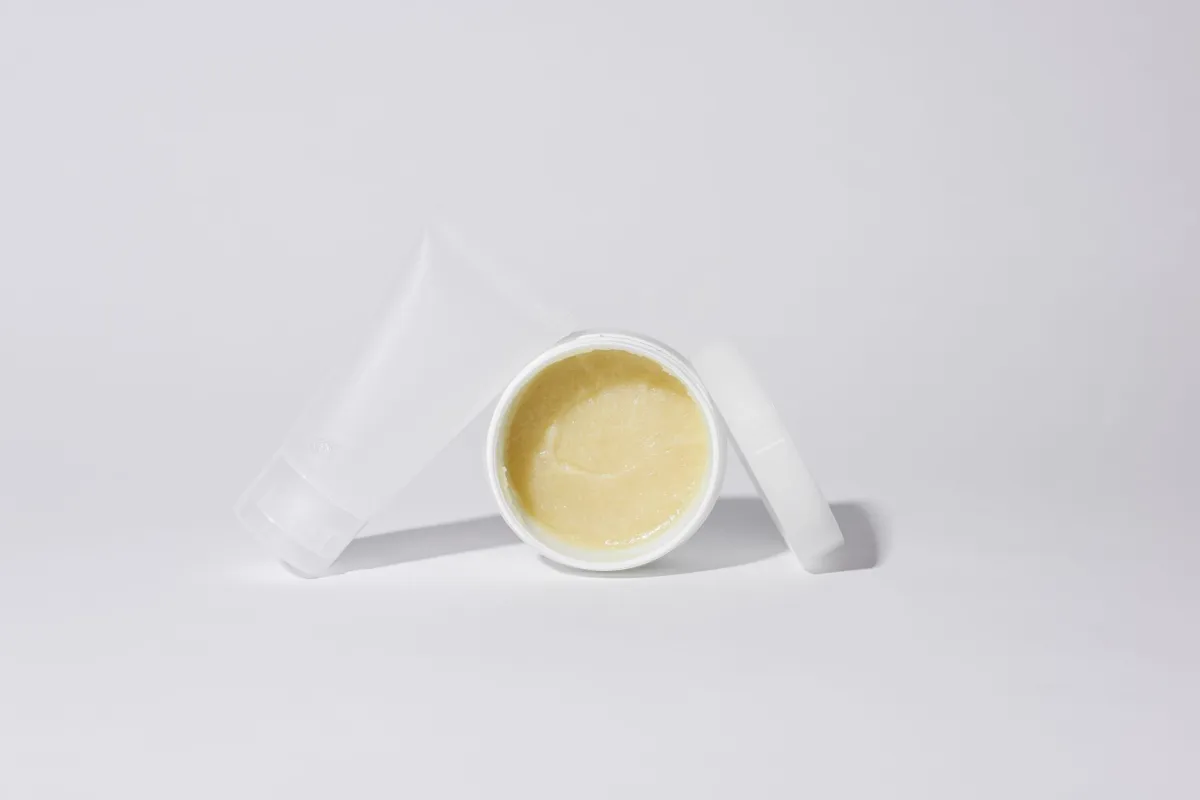
Creams combine a water phase (distilled water, glycerin, humectants) with an oil phase (plant oils, esters, silicone fluids) using emulsifiers such as polysorbates or cetyl alcohol. Preservatives (parabens, phenoxyethanol) are essential to prevent microbial growth.
How Creams Interact with the Skin
The water component evaporates, providing a cooling sensation and driving the active ingredient into the epidermis. Lipid droplets help re‑hydrate the stratum corneum, improving barrier function without sealing it completely.
Common Types of Therapeutic Creams
- Hydrocortisone 1 % anti‑inflammatory cream
- Antifungal clotrimazole cream
- Moisturizing ceramide‑rich creams for atopic dermatitis
- Topical NSAID creams for musculoskeletal pain
What is Ointment? Understanding Oil‑Based Topicals
Composition and Petrolatum Bases
Ointments rely on a continuous oil matrix—petrolatum, mineral oil, lanolin, or a high‑oil emulsion. Water, when present, is less than 20 % and usually locked within the lipid network. Because water is scarce, preservatives are often unnecessary.
The Role of Occlusive Barriers
The thick lipid layer slows transepidermal water loss (TEWL) dramatically, creating a moist wound environment that promotes healing. It also traps lipophilic drugs next to the skin, increasing percutaneous absorption.
Common Types of Therapeutic Ointments
- Triamcinolone acetonide ointment (potent corticosteroid)
- Salicylic acid 5 % keratolytic ointment
- Petrolatum‑based barrier ointments for diaper rash
- Antibiotic bacitracin ointment
Head-to-Head Feature Comparison
| Feature / Category | Cream | Ointment | Winner |
|---|---|---|---|
| Base Composition | Emulsion of oil and water (≈50 % each) | Oil‑dominant (≈80 % oil, low water) | Depends on use case |
| Skin Absorption & Feel | Fast absorption, non‑greasy, cooling | Slow release, greasy, stays on surface | Depends on use case |
| Occlusivity & Drug Delivery | Low occlusivity, suited for water‑soluble actives | High occlusivity, enhances lipophilic drug penetration 2‑3× | Ointment |
| Ease of Application | Easy to spread, washes off with water | Harder to spread, leaves residue on fabrics | Cream |
| Suitability for Skin Type & Condition | Best for moist, weeping, facial or scalp areas | Best for dry, thick, hyperkeratotic skin | Depends on use case |
| Stability & Shelf Life | Requires preservatives; 1‑2 years typical | Low water → naturally stable; 2‑3+ years typical | Ointment |
| Cosmetic Acceptability | High compliance; dominant OTC market share | Lower compliance; perceived as medicinal | Cream |
| Cost Efficiency & Value | Lower unit cost; may need frequent re‑application | Higher per‑gram cost; less product needed per use | Tie |
Verdict: Neither format is universally superior. Choose cream for rapid, cosmetically acceptable use; choose ointment for strong occlusion and lipophilic drug delivery.
Absorption Rate and Skin Penetration
Creams typically reach peak concentration within 15‑30 minutes, while ointments may maintain therapeutic levels for several hours. Studies in 2026 show that lipophilic corticosteroids achieve up to 2.5‑fold higher skin concentrations when formulated as ointments.
Hydration and Moisture Retention
Ointments reduce TEWL by up to 80 % compared with creams, which only cut loss by 30‑40 %. For chronic xerosis, the extra barrier is clinically significant.
Texture, Greasiness, and Aesthetic Appeal
Consumers rate creams 4.5/5 for feel, versus 3.2/5 for ointments, according to the 2026 Global Skincare Survey. This difference drives adherence, especially for daytime applications.
Ingredient Potency and Delivery Speed
Water‑soluble antibiotics (e.g., mupirocin) work well in creams; oil‑soluble retinoids (e.g., adapalene) retain potency longer in ointments.
Pros and Cons Breakdown
Cream: Advantages and Disadvantages
- Quick drying, leaving no residue.
- Suitable for large or hair‑bearing areas.
- Higher patient compliance for daytime use.
- Requires preservatives; risk of microbial contamination.
- Less occlusive; may need more frequent re‑application for dry conditions.
Ointment: Advantages and Disadvantages
- Creates a strong occlusive barrier, enhancing drug penetration.
- Longer shelf life without preservatives.
- Excellent for chronic dry or thickened skin.
- Greasy texture can stain clothing and deter daytime use.
- Harder to spread on hair‑rich or large surfaces.
When to Choose Cream vs Ointment: Use Case Scenarios
Treating Dry, Flaky Skin
Ointment is preferred. Its occlusion locks moisture, allowing keratolytic agents (e.g., urea 10 %) to work overnight.
Managing Oily or Acne‑Prone Areas
Creams win. Their lighter feel prevents pore blockage and they can incorporate oil‑free emollients.
Handling Weeping or Oozing Wounds
Creams are safer. The water content dilutes exudate and eases removal, reducing infection risk.
Application to Hairy vs Smooth Skin
For bearded faces or scalp patches, creams spread more evenly. On palms, soles, or nails—areas with thick stratum corneum—ointments provide the needed residence time.
Sample Command‑Line Style Formulation Instructions (for compounding pharmacists)
# Cream base (100 g)
mix water 45g
mix glycerin 5g
add emulsifier (cetyl alcohol) 3g
heat oil phase (olive oil 30g + shea butter 10g) to 70 °C
combine phases, homogenize 5 min
cool to 40 °C, add active (hydrocortisone 1 g)
adjust pH to 5.5, add preservative (phenoxyethanol 0.8 %)
# Ointment base (100 g)
weigh petrolatum 80g
weigh lanolin 10g
heat to 70 °C, stir until uniform
add active (triamcinolone 0.5 g) at 55 °C
mix 2 min, cool, package in airtight tube
Who is Each Best For? (Decision Matrix)
| User Persona / Profile | Recommended Choice | Key Reason & Best Fit |
|---|---|---|
| Young professional with facial eczema | Cream | Non‑greasy, quick absorption fits work‑day schedule; easy to layer under makeup. |
| Retiree with chronic palm psoriasis | Ointment | High occlusivity addresses thickened skin and reduces scaling overnight. |
| Athlete with recurring foot blisters | Ointment | Barrier protection prevents moisture loss during prolonged activity. |
| Teen with acne‑prone T‑zone | Cream | Lighter feel avoids pore clogging; can be combined with topical benzoyl peroxide. |
| Parent treating diaper rash | Ointment | Creates a protective film that resists moisture and urine exposure. |
SWOT Analysis: Cream vs Ointment
| Aspect | Cream | Ointment |
|---|---|---|
| Strengths | Fast absorption, pleasant texture, high consumer acceptance. | Strong occlusive barrier, longer drug residence, excellent stability. |
| Weaknesses | Requires preservatives, shorter shelf life, less effective for very dry skin. | Greasy feel, difficult to spread on large/hairy areas, may stain clothing. |
| Opportunities | Formulation with bio‑compatible emulsifiers for sensitive skin; incorporation of nanocarriers for targeted delivery. | Hybrid semi‑occlusive systems that reduce greasiness while retaining barrier function. |
| Threats | Increasing consumer demand for “dry‑touch” products may push creams toward higher oil content, blurring lines. | Regulatory scrutiny over petrolatum sourcing and environmental impact could limit raw material availability. |
Final Verdict: Which is Right for Your Skin in 2026?
The Final Decision Checklist
- Is the skin condition moist or weeping? → Choose cream.
- Is the area dry, thick, or hyperkeratotic? → Choose ointment.
- Do you need a product that looks and feels “cosmetic”? → Cream.
- Is prolonged drug contact essential? → Ointment.
- Do you have a high risk of microbial contamination? → Ointment (low water).
When to Consult a Dermatologist
If you are unsure about the severity of your condition, the appropriate potency of the active ingredient, or you experience worsening symptoms after two weeks of self‑care, seek professional advice. A dermatologist can tailor the vehicle (cream or ointment) to your specific diagnosis and lifestyle.