

What is Crypto? A Beginner's Guide to Cryptocurrency
What is Crypto? An Introduction to Digital Currency
Defining Cryptocurrency
Cryptocurrency is a digital or virtual form of money that relies on cryptography to protect transactions and control the creation of new units. Unlike paper cash, a crypto asset lives only in computer networks and is recorded on a public ledger called a blockchain.
The Difference Between Crypto and Fiat Money
Fiat money—such as the US dollar or the euro—is issued by a central authority (government or central bank) and can be printed at will. Crypto, on the other hand, is generated by a network of participants following predefined rules. No single entity can unilaterally change the supply or freeze accounts.
A Brief History of Bitcoin and Beyond
The idea of electronic cash dates back to the 1980s, when researchers like David Chaum explored blind signatures and Adam Back created Hashcash to fight spam. In 2008, an anonymous author known as Satoshi Nakamoto released the Bitcoin whitepaper, proposing a peer‑to‑peer cash system that solved the double‑spending problem without a trusted middleman. The first block, the “genesis block,” was mined in January 2009.
Bitcoin’s success inspired a wave of alternatives. Ethereum launched in 2015, adding smart contracts—self‑executing code that runs on the blockchain. Since then, the ecosystem has grown to include thousands of coins, tokens, stablecoins, and non‑fungible tokens (NFTs), each serving a different purpose.
How Does Cryptocurrency Work? The Technical Basics
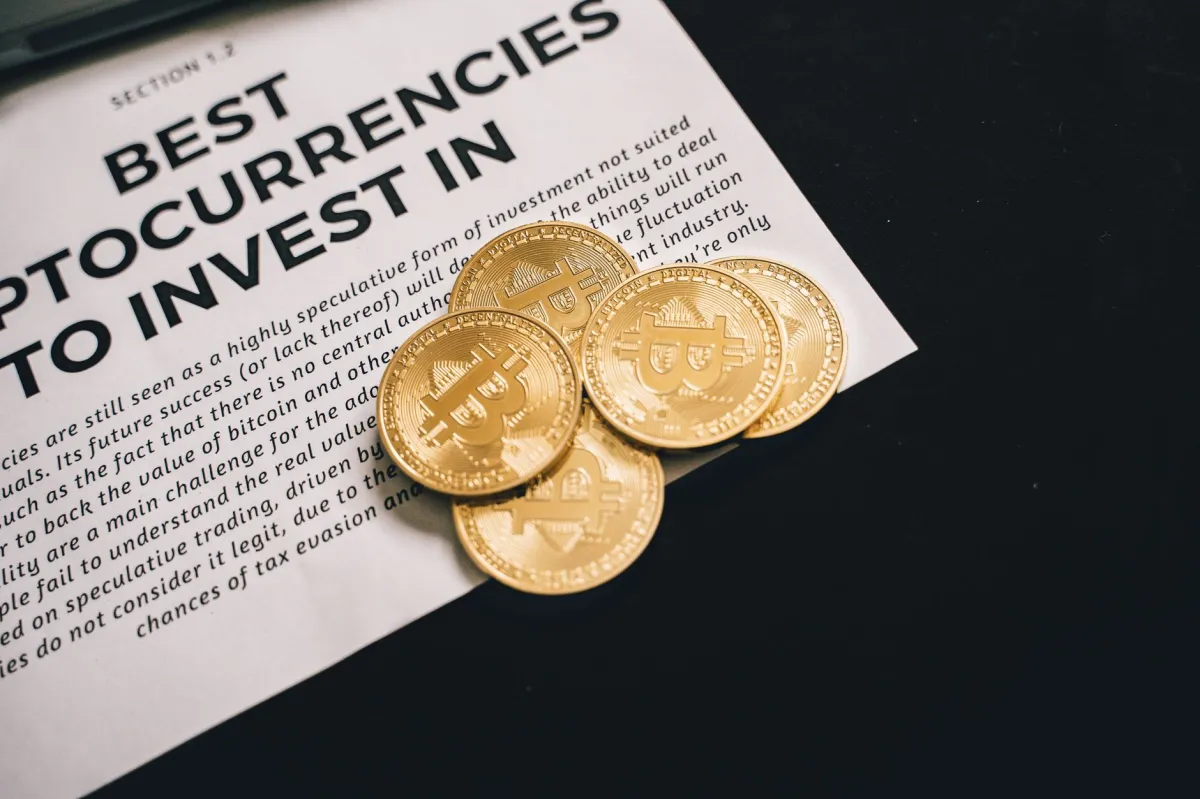
Understanding Blockchain Technology
A blockchain is an immutable, distributed ledger. Every block contains a batch of transactions, a timestamp, and a cryptographic link to the previous block. Because thousands of nodes store copies of the chain, altering a single transaction would require rewriting the entire history on a majority of the network—a practically impossible feat.
What is Decentralization?
Decentralization means that no single party controls the network. Validation, storage, and consensus are spread across many participants, reducing the risk of censorship, single‑point failures, and arbitrary rule changes.
The Role of Mining and Staking
Two main consensus mechanisms keep the chain honest:
- Proof of Work (PoW): Miners solve computational puzzles to add a new block. Bitcoin uses PoW, which consumes significant electricity but offers strong security.
- Proof of Stake (PoS): Validators lock up (stake) a certain amount of the native token. Ethereum’s shift to PoS in 2022 (known as “The Merge”) cut energy use dramatically and introduced new incentives for honest behavior.
Both systems reward participants—miners with newly minted coins and transaction fees, validators with a share of the fees proportional to their stake.
Public vs. Private Keys
Every wallet holds a pair of cryptographic keys:
- Public key (or address): Shared openly. Others use it to send funds.
- Private key: A 256‑bit number that proves ownership. Possessing the private key lets you sign transactions, moving assets out of the address.
The keys are generated using elliptic curve cryptography (ECC). In simple terms, ECC creates a point on a curve from the private number; the corresponding public point can be derived, but reversing the operation (finding the private key from the public point) is computationally infeasible.
Types of Cryptocurrencies
Payment Coins (e.g., Bitcoin)
Designed primarily as a store of value and a medium of exchange. Bitcoin’s limited supply (21 million) makes it a digital counterpart to gold for many investors.
Smart Contract Platforms (e.g., Ethereum)
Provide a programmable environment where developers can deploy decentralized applications (dApps). Ethereum’s ERC‑20 standard gave rise to the token boom.
Stablecoins: Reducing Volatility
Stablecoins peg their value to a fiat currency or other assets. USDC, USDT, and DAI keep a roughly 1:1 ratio with the US dollar, offering a reliable unit of account for trading and payments.
Governance and Utility Tokens
Governance tokens (e.g., COMP, UNI) let holders vote on protocol upgrades. Utility tokens grant access to services within a platform, such as storage on Filecoin or compute on Golem.
Coins, Tokens, and NFTs
| Category | Native Chain? | Typical Use |
|---|---|---|
| Coin | Yes (has its own blockchain) | Payments, fee payment, store of value |
| Token | No (built on another chain) | Utility, governance, stable value |
| NFT | No (usually ERC‑721/1155) | Unique digital ownership (art, collectibles) |
Getting Started: Requirements for Buying Crypto

Choosing a Cryptocurrency Exchange
Centralized exchanges (CEX) like Coinbase, Kraken, and Binance provide a user‑friendly interface, fiat on‑ramps, and custodial wallets. Decentralized exchanges (DEX) such as Uniswap or SushiSwap let you trade directly from a self‑custody wallet.
Setting Up a Digital Wallet
Two main categories exist:
- Custodial wallets: The exchange holds the private keys for you. Convenient for beginners but you rely on the platform’s security.
- Non‑custodial wallets: You control the seed phrase. Options include hardware devices (Ledger, Trezor), mobile apps (MetaMask, Trust Wallet), or desktop clients.
Verification and KYC Process
Most regulated exchanges require identity verification: a government‑issued ID, proof of address, and sometimes a selfie. This step complies with anti‑money‑laundering (AML) rules.
Funding Your Account
After verification, you can fund the account via bank transfer, credit/debit card, or another crypto deposit. Below is a typical command‑line snippet for moving Bitcoin from a hardware wallet to an exchange address (replace placeholders with real values):
bitcoin-cli sendtoaddress \
 "bc1qexchangeaddress..." \
 0.005 \
 "deposit" \
 "my first deposit"
The Pros and Cons of Cryptocurrency
Advantages: Speed, Accessibility, and Innovation
- Cross‑border transfers settle in minutes, not days.
- Anyone with an internet connection can participate, regardless of banking status.
- Programmable money enables new business models: DeFi lending, tokenized assets, and automated royalties.
Risks: Volatility, Security, and Regulation
- Prices can swing 10‑20 % in a single day, exposing investors to large losses.
- Lost seed phrases or compromised private keys mean permanent loss of funds.
- Regulatory frameworks differ: the EU’s MiCA, the US SEC’s securities rules, and outright bans in countries like China.
Best Practices for Safe Investing
- Store large balances on a hardware wallet.
- Enable two‑factor authentication (2FA) with an authenticator app, not SMS.
- Keep your seed phrase offline, preferably in a metal backup stored in two separate locations.
- Use dollar‑cost averaging instead of lump‑sum buying to smooth out price volatility.
- Regularly review token allowances on block explorers and revoke unnecessary approvals.
Common Mistakes and Troubleshooting
Sending Funds to the Wrong Wallet Address
Blockchain transactions are irreversible. Double‑check the address and the network (ERC‑20 vs. TRC‑20) before confirming.
Losing Your Seed Phrase (Private Keys)
If you lose the seed phrase, you lose access. Store it in multiple physical locations; never save it as a screenshot or cloud file.
Falling for “Too Good to Be True” Scams
Phishing sites mimic legitimate services. Bookmark official URLs, verify SSL certificates, and avoid clicking links from unsolicited messages.
Ignoring Tax Implications
Most jurisdictions treat crypto as property. This means each sale, swap, or use to buy goods creates a taxable event. Keep detailed records—date, amount, fair market value, and transaction hash—to simplify reporting.