
Executive Summary / Quick Overview
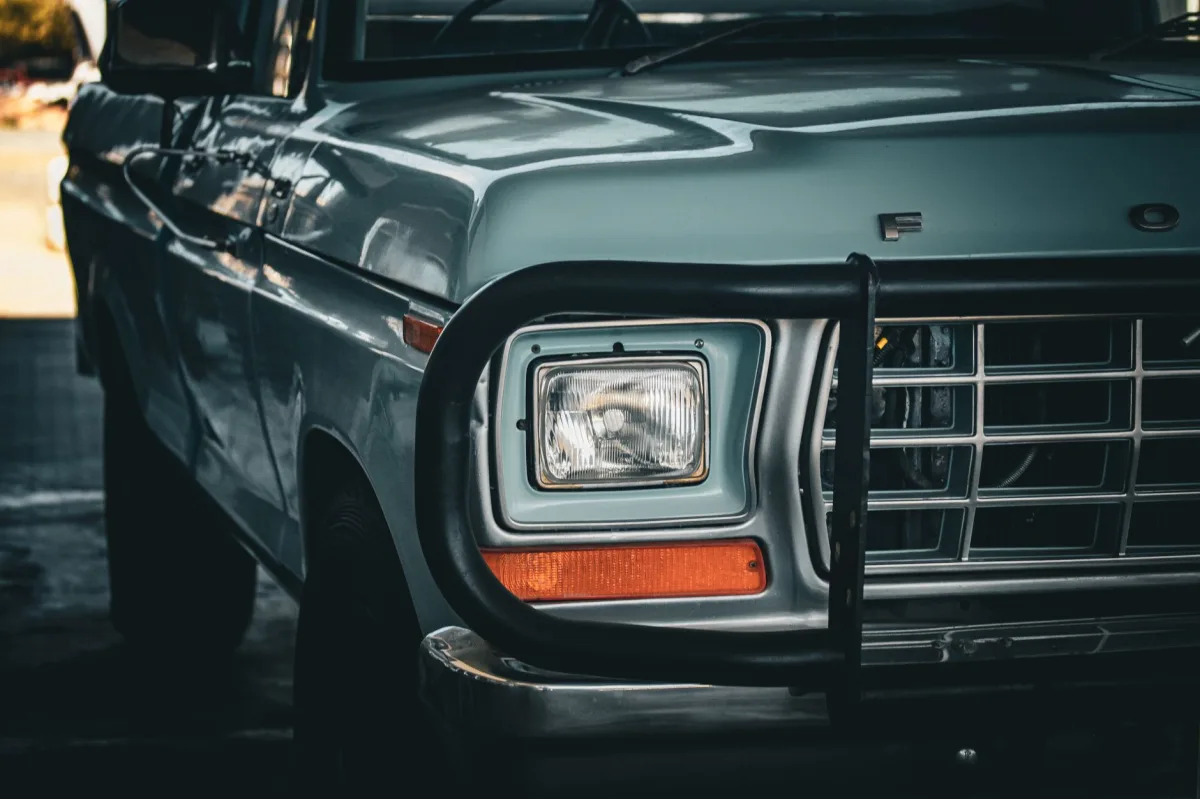
The 2026 Ford F‑150 stays the benchmark for full‑size pickups, pairing a proven V8, a range of EcoBoost V6 engines, and an aluminum body that trims weight and improves fuel economy. Its resale value, nationwide dealer network, and work‑truck capability keep it at the top of most buyers’ lists, even as sales slipped 15.1% year‑over‑year.
The newly launched Chevrolet Silverado counters with a bold redesign, a spacious digital cockpit, and Super Cruise hands‑free driving on selected trims. It adds off‑road‑focused ZR2 and Trail Boss models while expanding luxury through the High Country trim. Your decision hinges on whether you prioritize the F‑150’s established reliability and payload or the Silverado’s tech‑forward interior and trim variety.
Who Is Buying a Full‑Size Truck in 2026? A Quick Vignette
Imagine a contractor named Maya who needs a truck that can power tools on‑site, haul a trailer full of lumber, and still feel comfortable on a weekend road trip with her family. Or picture Alex, a tech‑savvy suburban commuter who wants a large touchscreen, hands‑free highway cruising, and a cabin that feels more like a lounge than a work vehicle. Both are looking at the same two trucks, but their priorities diverge dramatically. Below we explore how each model meets those real‑world needs.
Ford F150: A Contractor’s Workhorse
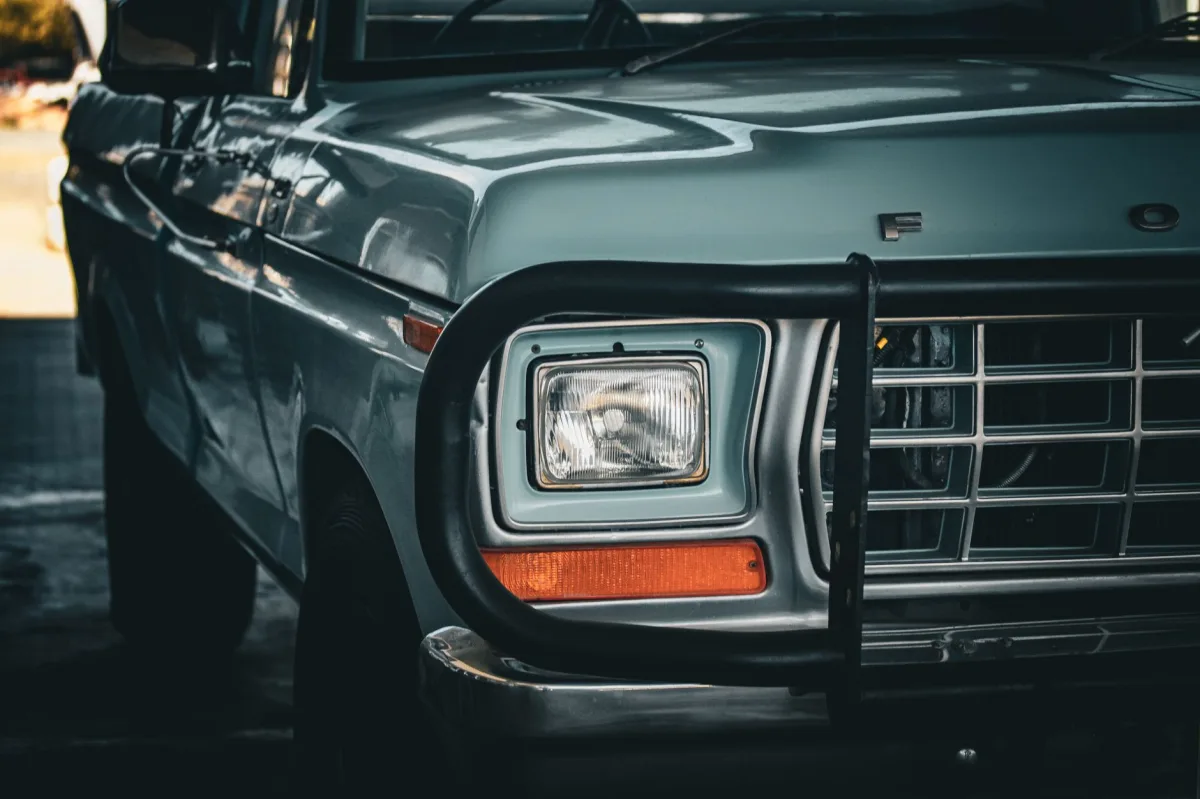
The 2026 F‑150 continues to dominate sales charts despite a 15.1% decline in May 2026. Its aluminum body construction reduces curb weight, improving fuel economy and payload capacity. Powertrain choices span a naturally aspirated 5.0‑L Coyote V8 (400 hp, 410 lb‑ft) and a 3.5‑L EcoBoost V6 that can reach 450 hp and 510 lb‑ft in higher trims. All models pair with a smooth‑shifting 10‑speed automatic, keeping the engine in its optimal power band.
Powertrain & Performance
Ford’s V8 delivers a classic, muscular sound while the EcoBoost V6 offers a blend of torque and efficiency. The 10‑speed transmission smooths acceleration and helps the truck stay in its sweet spot, whether you’re climbing a steep grade or merging onto a highway. Pro Power Onboard, available up to 7.2 kW, turns the cabin into a mobile generator—ideal for powering tools, lights, or even a small workshop on the go.
Interior & Comfort
Inside, the SYNC 4 system features a 12‑inch touchscreen, Apple CarPlay, Android Auto, and SiriusXM. Lower trims use manual seat adjustments and lack automatic climate control, but the layout remains uncluttered thanks to a column shifter that frees up center‑console space. Families appreciate the roomy crew‑cab layout and the straightforward controls that keep distractions to a minimum.
Technology & Connectivity
Both wireless Apple CarPlay and Android Auto are standard. Ford offers the optional BlueCruise eyes‑on driver assistance system, which provides hands‑free lane‑centering on approved highways. While not as ubiquitous as GM’s Super Cruise, BlueCruise still adds a layer of convenience for long‑distance drivers.
Towing & Payload
The F‑150 tops out at 12,400 lb of towing capacity and 2,045 lb of payload, making it a solid choice for contractors, fleet operators, and anyone who regularly hauls heavy loads. The combination of high torque, a sturdy frame, and Pro Power Onboard means you can work and play without needing a separate generator.
Safety & Driver Assistance
Ford’s Co‑Pilot360 suite includes lane‑keep, automatic emergency braking, and blind‑spot monitoring. BlueCruise is optional on higher trims, adding hands‑free operation on compatible highways. The overall safety package is robust, though not as uniformly available across all trims as GM’s approach.
Chevy Silverado: The Tech‑Forward Alternative
The 2026 Silverado arrives with a sharper exterior, larger wheel openings, and a suite of new trims. Powertrain options include a V8 family, a 2.7‑L TurboMax four‑cylinder, and a 3.0‑L Duramax diesel. Inside, the cabin showcases a large central touchscreen (up to 15.5 inches) and a digital gauge cluster (around 12.3 inches). Select trims offer an additional passenger‑facing screen, real‑wood interior accents, and a panoramic sunroof.
Powertrain & Performance
Silverado’s V8 lineup provides strong low‑end torque, while the 2.7‑L TurboMax offers a more fuel‑efficient choice for daily driving. The 3.0‑L Duramax diesel adds high torque for heavy‑duty hauling, though availability may vary by region. All engines pair with a 10‑speed automatic, mirroring the F‑150’s transmission strategy.
Interior & Comfort
The digital cockpit centers around a sizable touchscreen that supports wireless Apple CarPlay and Android Auto. Higher trims add a passenger‑facing screen, real‑wood trim, and a panoramic sunroof, creating a more premium feel. Climate control is automatic on most mid‑level and higher trims, and heated seats are available as options.
Technology & Connectivity
Super Cruise is offered on selected trims, providing hands‑free driving on compatible highways. The system works in conjunction with a digital rear‑view mirror and an optional 4G LTE Wi‑Fi hotspot, keeping occupants connected on the road. Unlike Ford, Chevrolet makes its advanced driver‑assist features more widely available across the lineup.
Towing & Payload
While GM has not released exact towing figures for the 2026 Silverado at launch, the V8 and diesel options are engineered for heavy‑duty work. The ZR2 and Trail Boss trims prioritize off‑road capability, featuring reinforced suspensions and aggressive styling, which may slightly reduce maximum tow ratings compared with the work‑truck variants.
Safety & Driver Assistance
Standard safety equipment includes forward‑collision warning, automatic emergency braking, and lane‑keeping assist. Super Cruise, when equipped, adds hands‑free lane centering and adaptive cruise control. The digital rear‑view mirror and optional head‑up display further enhance driver awareness.
Ford F150 vs Chevy Silverado: Head-to-Head Comparison
| Feature / Category | Ford F150 | Chevy Silverado | Winner |
|---|---|---|---|
| Powertrain Options | 5.0‑L V8, 3.5‑L EcoBoost V6, multiple EcoBoost tunes | V8 family, 2.7‑L TurboMax, 3.0‑L Duramax diesel | Tie |
| Digital Interior | 12‑inch SYNC 4 touchscreen (varies by trim) | Large central touchscreen (up to 15.5 in), digital gauge cluster | Chevy Silverado |
| Advanced Driver Assistance | BlueCruise (optional on higher trims) | Super Cruise (available on selected trims) | Chevy Silverado |
| Off‑Road Trims | Raptor (performance‑focused) | ZR2, Trail Boss, Custom Trail Boss | Chevy Silverado |
| Sales Performance (2026) | 291,124 units sold (15.1 % YoY decline) | Launch pending; sales data not yet released | Ford F150 |
| Pricing (Base) | $30,000 – $70,000 (approx.); base ≈ $35,000 | Work Truck $38,345; High Country $65,795 (options can exceed $80,000) | Ford F150 |
5‑Year Cost of Ownership, Warranty, and Reliability
Buyers often forget that purchase price is only part of the equation. Over five years, the F‑150 typically enjoys lower depreciation thanks to its strong resale value—historically retaining about 65% of its original price. Chevrolet’s Silverado, while newer to the market, is projected to hold roughly 60% of its value, slightly behind the F‑150 but still competitive.
Insurance and Warranty
Insurance premiums for both trucks fall in the mid‑range for full‑size pickups, though the F‑150’s higher repair costs for aluminum panels can add a few dollars per month. Ford offers a 3‑year/36,000‑mile bumper‑to‑bumper warranty plus a 5‑year/60,000‑mile powertrain warranty. Chevrolet matches this with a 3‑year/36,000‑mile basic warranty and a 5‑year/60,000‑mile powertrain guarantee. Extended service contracts are widely available from both manufacturers.
Reliability and Recall History
Ford’s recent recall history includes a 2024 brake‑caliper issue that affected a small batch of F‑150s; the fix was performed at dealerships at no charge. Chevrolet reported a 2025 infotainment software update for certain Silverado units, addressing occasional screen freeze incidents. Overall, both brands rank in the “average” reliability tier for full‑size trucks, with the F‑150 edging ahead in owner satisfaction surveys.
Pros & Cons Breakdown
Ford F150 Pros & Cons
- Pros
- Industry benchmark for performance and reliability
- Strong brand loyalty and high resale value
- Wide dealer network and extensive service infrastructure
- Pro Power Onboard (up to 7.2 kW) for job‑site electricity
- 10‑speed transmission delivers smooth acceleration
- Aluminum body reduces weight and improves fuel economy
- Cons
- Aluminum supply constraints affecting availability
- 15.1 % YoY sales decline in May 2026
- No automatic climate control on base models
- No heated seats in lower trims
- Manual seat adjustment required on entry‑level versions
Chevy Silverado Pros & Cons
- Pros
- Powerful V8 options and diesel variant for torque
- Spacious digital cockpit with large touchscreen
- Wide trim matrix covering work, off‑road, and luxury
- Super Cruise available on selected trims
- Strong brand legacy and customer trust
- Off‑road‑focused ZR2 and Trail Boss models
- Cons
- Pricing details not fully disclosed at launch
- Higher cost for premium tech and luxury trims
- New design may not appeal to traditional buyers
- Potentially lower fuel economy compared with diesel or hybrid rivals
- Super Cruise not standard across the entire lineup
When to Choose Ford F150 vs Chevy Silverado (Use Case Scenarios)
Work & Towing
If your daily routine involves hauling trailers, equipment, or a full crew, the F‑150’s 12,400 lb towing capacity and 2,045 lb payload, combined with Pro Power Onboard, give you an edge. Silverado can handle heavy duty work, but the lack of disclosed towing numbers makes the F‑150 a safer bet for guaranteed capacity.
Daily Driving & Fuel Economy
For commuters who value a quieter cabin and smoother acceleration, the F‑150’s linear V8 and 10‑speed gearbox provide a refined ride. Silverado’s larger V8s may sip more fuel, and its diesel is not yet available in all markets, potentially affecting everyday fuel costs.
Off‑Road & Adventure
The Silverado’s ZR2 and Trail Boss trims come equipped with off‑road‑specific suspension, reinforced frames, and aggressive styling, making them the clear choice for rugged terrain. Ford’s off‑road offering is limited to the Raptor, which focuses more on on‑road performance.
Family & Cargo
Both trucks can accommodate a crew‑cab layout, but Silverado’s larger digital cockpit and optional panoramic sunroof provide a more comfortable environment for passengers on longer trips. The F‑150’s column shifter and cleaner center console may appeal to families who prefer a less cluttered interior.
Matching the Right Truck to the Right Driver
| User Persona / Profile | Recommended Choice | Key Reason & Best Fit |
|---|---|---|
| Contractor / Fleet Operator needing high tow and onsite power | Ford F150 | 12,400 lb tow, 2,045 lb payload, 7.2 kW Pro Power Onboard, strong resale value |
| Buyer focused on long‑term resale and extensive dealer support | Ford F150 | Best‑selling platform, massive aftermarket, high residuals |
| Tech‑savvy commuter who values large screens and hands‑free driving | Chevy Silverado | Large central touchscreen, Super Cruise on selected trims, digital gauge cluster |
| Luxury‑oriented shopper seeking premium cabin finishes | Chevy Silverado | High Country trim with real wood, panoramic sunroof, perforated leather |
| Off‑road enthusiast looking for factory‑tuned capability | Chevy Silverado | ZR2 and Trail Boss trims with reinforced suspension and aggressive styling |
| Driver who prefers a column shifter and a simpler console layout | Ford F150 | Column shifter frees center console; manual seat controls keep cost low |
SWOT Analysis Comparison
| SWOT | Ford F150 | Chevy Silverado |
|---|---|---|
| Strengths | Best‑selling, strong resale, wide dealer network, proven V8, Pro Power Onboard, aluminum body reduces weight. | Powerful V8 and diesel options, extensive digital cockpit, Super Cruise on selected trims, multiple specialized trims (ZR2, High Country), strong brand legacy. |
| Weaknesses | Aluminum supply constraints, sales decline, lack of automatic climate control and heated seats in base models. | Pricing not fully disclosed, higher cost for premium tech, new design may alienate traditional buyers, fuel economy lower than some diesel/hybrid rivals. |
| Opportunities | Hybrid and electrified powertrains, expanding Pro Power ecosystem, potential rebound in fleet sales. | Roll‑out of diesel option, broader Super Cruise integration, growth in luxury‑truck segment. |
| Threats | Continued aluminum shortages, competitive pressure from rivals’ tech upgrades, market shift toward electric pickups. | Supply chain volatility, consumer hesitation over new styling, competition from other premium trucks and electric offerings. |
Final Verdict: Which is Right for You?
If you need a workhorse that can haul the most, offers a proven ecosystem, and holds its value, the 2026 Ford F‑150 is the logical pick. Its aluminum construction, robust V8 options, and Pro Power Onboard make it the go‑to for contractors and fleet managers.
If you prioritize cutting‑edge cabin technology, hands‑free highway cruising, and a broader trim matrix—including true luxury and off‑road variants—the Chevrolet Silverado takes the lead. Its digital cockpit and available Super Cruise give a more futuristic driving experience, while the ZR2 and Trail Boss address adventure‑seeking buyers.
Both trucks excel in their own arenas; the final decision should align with the specific use‑case scenarios outlined above and the five‑year ownership costs that matter most to you.