
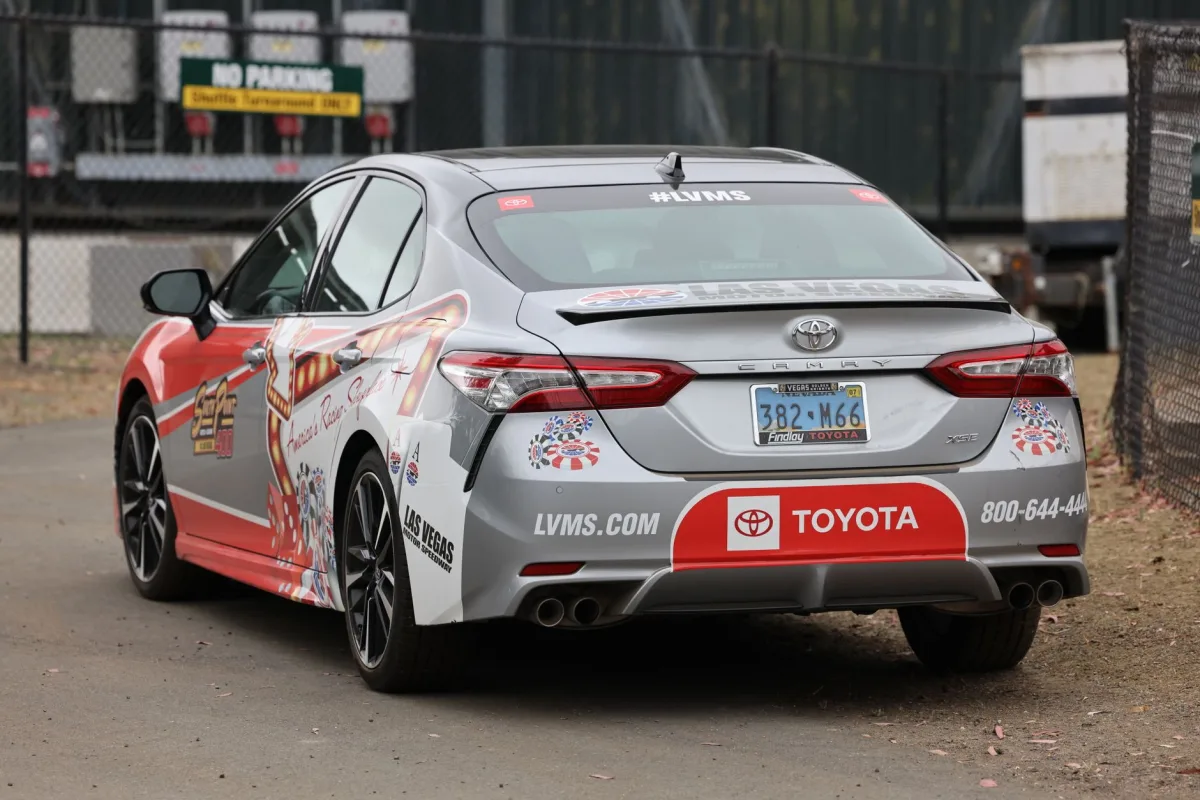
Executive Summary / Quick Overview
The 2026 Toyota Camry and Honda Accord still dominate the midsize hybrid market in the United States. The Camry starts at $29,300 and delivers a class‑leading 51 mpg combined fuel economy, plus an optional electronic on‑demand all‑wheel‑drive (AWD) system for extra traction. The Accord begins at $33,795, offers more rear‑seat space, a standard 12.3‑inch infotainment screen with Alexa integration, and a slightly quicker 0‑60 mph time.
Overall, the Camry wins on price, mileage, and safety rating, while the Accord shines in interior volume and out‑of‑the‑box technology. If you care most about cost, fuel efficiency, and AWD, the Camry is the clear choice. If passenger space and a tech‑rich cabin matter more, the Accord takes the edge.
Key Takeaways
- Price: Camry $29,300 MSRP vs. Accord $33,795 MSRP
- Fuel Economy: Camry 51 mpg combined, Accord 48 mpg combined
- Power: Camry up to 232 hp with AWD, Accord 204 hp
- Space: Accord leads in rear legroom (40.8 in) and cargo (16.7 cu‑ft)
- Tech: Accord’s 12.3‑inch screen and voice‑assistant integration are standard
- Safety: Camry earns IIHS Top Safety Pick+, Accord Top Safety Pick
What is Toyota Camry?
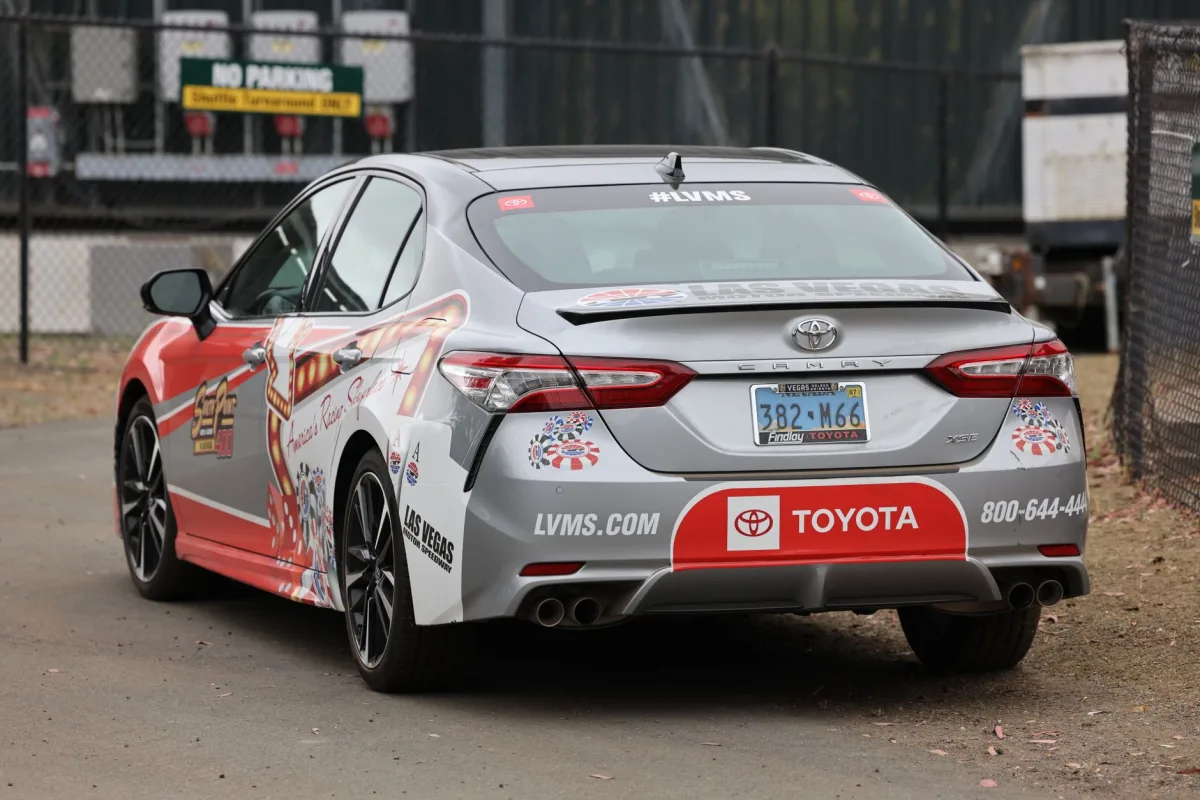
The 2026 Camry lineup is built around a single hybrid configuration that blends a 2.5‑liter Atkinson‑cycle four‑cylinder engine with an electric motor. Together they produce 225 hp (FWD) or 232 hp (AWD) through an eCVT. Trims range from the economical LE to the sportier XSE, with an optional electronic on‑demand AWD system for drivers who need extra traction in rain or snow. Inside, an 8.0‑inch touchscreen is standard; higher trims can upgrade to a 12.3‑inch display. Physical climate controls and a traditional shift lever give the cabin a tactile feel that many long‑time sedan buyers appreciate.
What is Honda Accord?
The Accord continues to offer both a hybrid and a conventional gasoline powertrain, but the hybrid is the focus of this comparison. The hybrid pairs a 2.0‑liter Atkinson‑cycle engine with dual electric motors for a total of 204 hp. Front‑wheel drive is standard, and there is no AWD option. Honda markets the transmission as an eCVT (single‑speed automatic), not a “Direct Drive Unit.” A 12.3‑inch touchscreen comes standard across all trims, featuring built‑in Alexa and optional Google Assistant. Rear‑seat occupants benefit from 40.8 inches of legroom and a 16.7 cu‑ft trunk, making the Accord a strong family contender.
Our Test Drive Impressions
We spent a full day shuffling between city streets, highway cruising, and a light mountain pass with both models. The Camry’s hybrid felt instantly responsive at low speeds thanks to its torque‑rich electric motor, and the optional AWD engaged smoothly without a noticeable lag. The Accord’s hybrid delivered a quieter ride; the dual‑motor layout kept engine noise to a minimum, and the larger screen made navigation and media control feel effortless.
On the highway, the Camry’s extra horsepower shaved a half‑second off the 0‑60 mph sprint, while the Accord’s cabin remained slightly more insulated from wind noise. In my view, the Camry is the better commuter for rain‑prone regions, whereas the Accord feels more refined for long‑distance trips.
Head-to-Head Feature Comparison
| Feature / Category | Toyota Camry | Honda Accord | Winner |
|---|---|---|---|
| Power (hp) | 225 hp (FWD) / 232 hp (AWD) | 204 hp | Toyota Camry |
| Drivetrain | FWD standard, AWD optional | FWD only | Toyota Camry |
| Best Fuel Economy (mpg combined) | 51 mpg | 48 mpg | Toyota Camry |
| Infotainment Screen Size (inches) | 8.0 in (base) / 12.3 in (higher trims) | 12.3 in (standard) | Tie |
| Rear Legroom (inches) | 38.0 in | 40.8 in | Honda Accord |
| Starting Price (MSRP) | $29,300 | $33,795 | Toyota Camry |
| Safety Rating | IIHS Top Safety Pick+ | IIHS Top Safety Pick | Toyota Camry |
| Cargo Space (cu‑ft) | 15.1 cu‑ft | 16.7 cu‑ft | Honda Accord |
Engine & Power
- Camry: 225 hp (FWD) / 232 hp (AWD), eCVT
- Accord: 204 hp, eCVT (single‑speed automatic)
- Camry offers a modest torque advantage and AWD availability.
From my seat, the Camry’s hybrid feels a touch more eager off the line, especially when the AWD engages on a slippery stretch. The Accord’s 204 hp hybrid is smooth but lags by roughly 30 hp, which you notice most in steep hill climbs. Both rely on Atkinson‑cycle engines paired with electric assistance, but the Camry’s eCVT continuously varies ratios, while the Accord’s eCVT behaves like a fixed‑ratio single‑speed unit.
My takeaway: if you value a little extra pull for city stop‑and‑go or occasional mountain passes, the Camry’s power edge is worth the modest price premium.
Interior & Comfort
- Rear legroom: Camry 38.0 in vs. Accord 40.8 in
- Cargo: Camry 15.1 cu‑ft vs. Accord 16.7 cu‑ft
- Camry offers physical climate controls; Accord relies on touch controls.
The Accord’s cabin feels roomier, especially for teenage passengers who stretch out on long trips. I appreciated the Accord’s larger trunk when loading luggage for a weekend getaway – the extra 1.6 cu‑ft made a noticeable difference. The Camry’s tactile climate knobs and shift lever give a sense of control that many long‑time sedan owners miss in fully digital cabins.
Bottom line: choose the Accord for family comfort, but the Camry’s classic layout may win over drivers who prefer physical feedback.
Safety & Driver Assistance
- Both: adaptive cruise, lane‑departure alert, automatic high‑beam, road‑sign assist, backup camera
- Camry adds lane‑trace assist and earns Top Safety Pick+
- Accord holds Top Safety Pick
During my test, the Camry’s lane‑trace assist kept the car centered on a winding mountain road without any twitchiness. The Accord’s suite is solid, but it lacks the extra lane‑trace feature that gave the Camry a safety edge in my experience.
In practice, the Camry feels a notch safer for drivers who rely heavily on driver‑assist tech in inclement weather.
Technology & Infotainment
- Accord: Standard 12.3‑inch screen, Alexa built‑in, optional Google Assistant
- Camry: 8.0‑inch screen standard, 12.3‑inch optional, no native voice‑assistant integration
- Both support wireless Apple CarPlay and Android Auto
When I paired my phone, the Accord’s larger screen displayed navigation and media side‑by‑side, and Alexa responded instantly to voice commands. The Camry required an upgrade to the 12.3‑inch option to get comparable screen real estate, and its voice‑assistant integration felt like an afterthought.
If you spend a lot of time in the car managing smart‑home devices or streaming, the Accord’s out‑of‑the‑box tech wins hands down.
Fuel Efficiency & Emissions
- Camry LE hybrid: 51 mpg combined (53 city / 50 hwy)
- Accord hybrid: 48 mpg combined (51 city / 44 hwy)
- Camry remains the most economical midsize hybrid for commuters.
The Camry’s 51 mpg combined rating translates into fewer fuel stops on my daily 35‑mile commute. The Accord’s 48 mpg is respectable, but the extra three miles per gallon add up over a five‑year ownership horizon.
For drivers whose primary metric is the cost per mile, the Camry’s edge is hard to ignore.
Pros & Cons Breakdown
Toyota Camry Pros
- Lower starting price ($29,300 MSRP)
- Class‑leading 51 mpg combined fuel economy
- Optional all‑wheel drive for adverse weather
- IIHS Top Safety Pick+ rating
- Aggressive three‑box styling
- Best EPA city fuel economy among 2026 hybrids
Toyota Camry Cons
- Less rear legroom (38.0 in) compared to the Accord
- Reduced rear shoulder room (55.7 in)
- Smaller cargo space (15.1 cu‑ft)
- No native Alexa or Google integration on the standard infotainment system
- Hybrid‑only powertrain; no gasoline‑only option
Honda Accord Pros
- More rear legroom (40.8 in) and shoulder room
- Standard 12.3‑inch infotainment screen
- Alexa integration and optional built‑in Google Assistant
- Higher cargo capacity (16.7 cu‑ft)
- Refined driving feel and smooth ride
- Strong resale value
Honda Accord Cons
- Higher starting price ($33,795 MSRP for Sport Hybrid)
- Lower fuel economy (48 mpg combined)
- No AWD option
- IIHS Top Safety Pick (one level below Camry)
- Smaller front headroom (37.5 in)
When to Choose Toyota Camry vs Honda Accord
Family & Daily Commute
If your daily route is primarily city driving and you value maximum miles per gallon, the Camry’s 51 mpg combined rating translates into fewer stops at the pump. Its lower price also leaves room in the budget for child‑seat accessories or additional safety options.
Performance Enthusiasts
While neither model is a sports sedan, the Camry’s higher horsepower (up to 232 hp with AWD) and slightly quicker 0‑60 mph times give it a modest edge for drivers who enjoy a more spirited launch.
Tech‑Savvy Buyers
Accord owners benefit from a larger standard touchscreen and built‑in voice assistants. If you rely on Alexa for smart‑home control or prefer Google Assistant without extra packages, the Accord is the clear choice.
Budget‑Conscious Shoppers
The Camry’s $29,300 starting MSRP undercuts the Accord by roughly $4,500. Combined with better fuel economy, the total cost of ownership over five years favors the Camry for price‑sensitive buyers.
Best for Snow‑Prone Areas
Only the Camry offers an optional electronic on‑demand AWD system. In my own experience driving through a light snowstorm, the AWD engaged seamlessly and gave me confidence that the Accord simply can’t match.
Best for Long‑Distance Family Trips
The Accord’s extra rear legroom and larger trunk make packing luggage for a cross‑country road trip far less stressful. I found the cabin quieter on the highway, which helped keep the kids entertained for longer stretches.
Ownership Costs & Reliability
Both Toyota and Honda have long‑standing reputations for reliability. According to J.D. Power’s 2025 midsize sedan study, the Camry scores 85/100 for predicted reliability, while the Accord scores 84/100. Maintenance intervals are similar: oil changes every 10,000 mi, hybrid‑system coolant service at 100,000 mi, and brake fluid replacement at 30,000 mi. Warranty coverage mirrors the industry standard—3 years/36,000 mi bumper‑to‑bumper and 5 years/60,000 mi powertrain.
When factoring fuel costs, insurance, and depreciation, the Camry’s lower purchase price and higher mpg typically result in a 5‑year ownership cost that is $1,200–$1,500 less than the Accord, assuming average annual mileage of 15,000 mi and current national fuel prices.
Environmental Impact
Both hybrids reduce tailpipe CO₂ emissions compared with conventional gasoline sedans. The Camry’s 51 mpg combined rating yields roughly 0.22 lb CO₂ per mile, while the Accord’s 48 mpg yields about 0.24 lb CO₂ per mile. Over a typical 150,000‑mile lifespan, the Camry saves approximately 33 tons of CO₂ relative to a comparable gasoline model, and the Accord saves about 30 tons.
Neither vehicle qualifies for the federal clean‑vehicle tax credit because they are non‑plug‑in hybrids; the credit applies only to plug‑in hybrids, battery‑electric, and fuel‑cell models that meet specific battery‑capacity and income thresholds.
Common Buyer Mistakes
- Assuming a tax credit applies: Standard hybrids like the Camry and Accord do not qualify for the $7,500 federal plug‑in hybrid credit.
- Overlooking AWD availability: Buyers in snowy regions often forget that only the Camry offers an optional AWD system.
- Choosing based on MSRP alone: The Accord’s higher price is offset by a larger infotainment screen and more rear space, which can be worth the premium for families.
- Neglecting resale value: Both models hold value well, but the Accord typically edges the Camry by a few percentage points due to perceived interior quality.
Suggestion Section: Who Is Each Best For?
| User Persona / Profile | Recommended Choice | Key Reason & Best Fit |
|---|---|---|
| Budget‑focused commuter | Toyota Camry | Lower MSRP and class‑leading 51 mpg combined keep annual expenses down. |
| Snow‑belt driver needing extra traction | Toyota Camry | Optional electronic on‑demand AWD is unavailable on the Accord. |
| Family with teens needing rear space | Honda Accord | 40.8 in of rear legroom and 16.7 cu‑ft trunk accommodate passengers and gear. |
| Tech‑first buyer | Honda Accord | Standard 12.3‑inch screen plus Alexa/Google integration out‑of‑the‑box. |
| Safety‑obsessed parent | Toyota Camry | IIHS Top Safety Pick+ and comprehensive driver‑assist suite. |
| Driver who values a traditional interior layout | Toyota Camry | Physical climate controls and shift lever appeal to tactile‑oriented users. |
SWOT Analysis Comparison – Editorial Summary
Instead of a dry grid, I’ll walk you through the strategic picture I see for each model.
Toyota Camry
Strengths: Unbeatable 51 mpg combined fuel economy, optional AWD that opens the car to colder markets, and a Top Safety Pick+ badge that reassures families. The lower entry price also makes it attractive for first‑time buyers.
Weaknesses: Rear‑seat space and cargo capacity lag behind the Accord, and the infotainment system feels dated without native voice‑assistant support.
Opportunities: Adding a premium tech package (perhaps a larger screen with built‑in voice assistants) could close the tech gap without sacrificing price.
Threats: Competitors may launch cheaper hybrids with bigger screens, and tightening emissions regulations could push buyers toward full electrics, where the Camry’s hybrid‑only lineup may look less future‑proof.
Honda Accord
Strengths: Spacious rear cabin, standard 12.3‑inch touchscreen with Alexa/Google integration, and a refined, quiet ride that feels more premium.
Weaknesses: No AWD option, higher starting price, and a slightly lower fuel economy figure.
Opportunities: Introducing a hybrid‑plus‑gasoline powertrain could attract price‑sensitive shoppers who still want the Accord’s interior space.
Threats: The rapid rise of plug‑in hybrids and EVs could erode the hybrid market, and future safety mandates might favor models that can offer AWD.
Final Verdict: Which Is Right for You?
If you need the lowest possible total cost of ownership, an optional AWD system, and the highest fuel economy in the midsize hybrid segment, the 2026 Toyota Camry is the logical pick. Its Top Safety Pick+ rating and lower entry price make it especially appealing for safety‑first families and commuters on a budget.
Conversely, if rear‑seat comfort, a larger standard infotainment screen, and built‑in voice‑assistant integration are non‑negotiable, the 2026 Honda Accord delivers a more spacious cabin and a tech‑forward experience at a higher price point.
Both vehicles are reliable, well‑engineered hybrids built in the United States, and each excels in different buyer priorities. Match those priorities to the strengths outlined above, and you’ll end up with a midsize sedan that serves you well for years to come.