
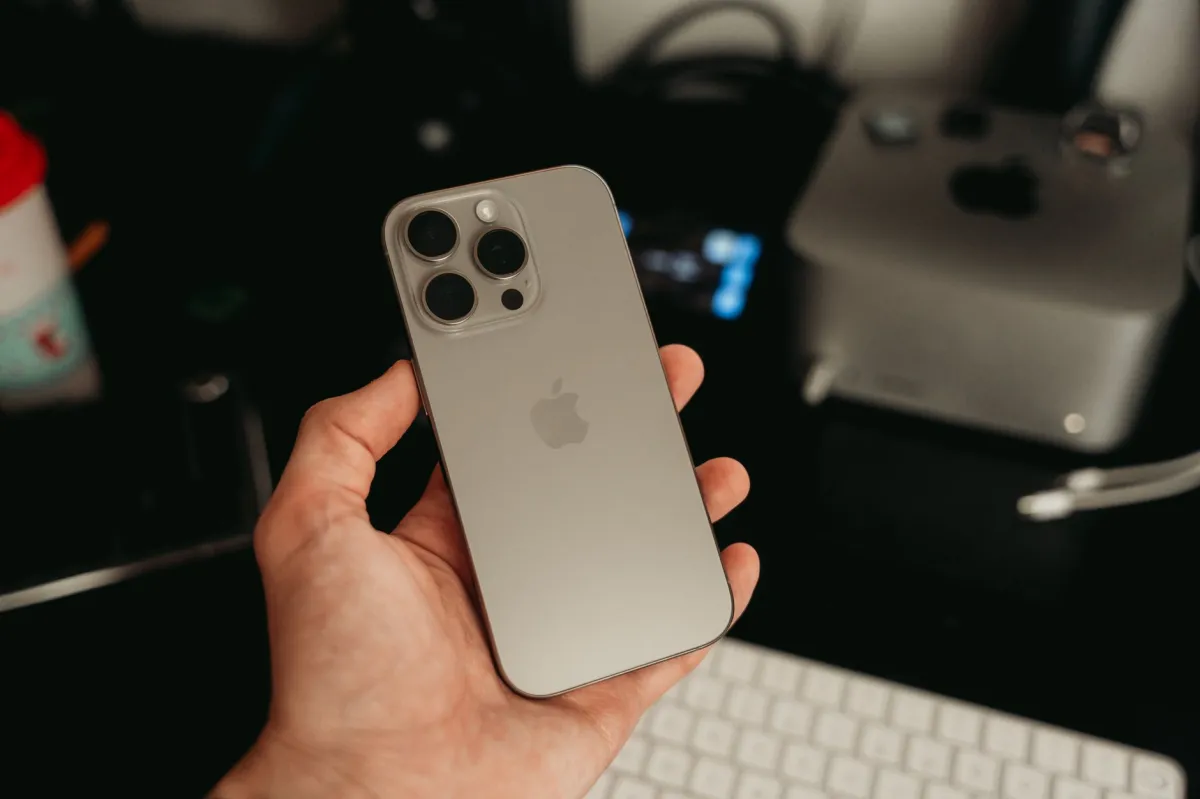
iPhone 16 vs Galaxy S24: Complete Comparison Guide (2026)
Executive Summary: iPhone 16 vs Galaxy S24 at a Glance
Quick Comparison Table
| Feature | iPhone 16 | Galaxy S24 | Winner |
|---|---|---|---|
| Display (OLED / Refresh / Brightness) | 6.1‑inch Super Retina XDR OLED, 60 Hz, 2,000 nits peak | 6.2‑inch Dynamic AMOLED 2X, 120 Hz adaptive, 2,600 nits peak | Galaxy S24 |
| Camera System (Photo / Video) | Dual 48 MP main + 12 MP ultrawide, 4K Dolby Vision, new Camera Control button | Triple 50 MP main + 12 MP ultrawide + 10 MP 3× telephoto, 8K @ 30 fps, 30× Space Zoom | Galaxy S24 |
| Battery & Charging | 3,561 mAh, 20 W wired, 25 W MagSafe/Qi2 wireless, no reverse charge | 4,000 mAh, 25 W Super‑Fast wired, 15 W wireless, 4.5 W reverse wireless (PowerShare) | Galaxy S24 |
| Processor / Performance | Apple A18 (3 nm), 6‑core CPU, 5‑core GPU, 16‑core Neural Engine, 8 GB LPDDR5X | Snapdragon 8 Gen 3 (US/China) / Exynos 2400 (Intl), 8 GB LPDDR5X | iPhone 16 |
| OS & Software Support | iOS 19, 6+ years major updates, deep ecosystem continuity | One UI 8 on Android 16, 7 years OS + security updates (through 2031) | Tie |
| Price & Value (2026) | $699‑$749 new, $549‑$649 refurbished, ~60 % resale after 2 yr | $499‑$599 new (discounted), $399‑$449 refurbished, ~40 % resale after 2 yr | Galaxy S24 |
| AI & Smart Features | Apple Intelligence, Visual Intelligence, Genmoji, on‑device Siri upgrades | Galaxy AI suite, Live Translate, Generative Edit, Circle‑to‑Search, Gemini integration | Tie |
The Bottom Line for 2026
The Galaxy S24 delivers a brighter, faster display, a more versatile camera array, a larger battery with reverse charging, and a lower street price. The iPhone 16 retains the cleanest performance per watt, a tighter software‑hardware marriage, and a higher resale ceiling. Your final decision should hinge on ecosystem preference, specific feature priorities, and budget.
Regional Price & Availability Comparison (iPhone 16 vs Galaxy S24)
| Region / Market | Currency | iPhone 16 Estimated Price | Galaxy S24 Estimated Price | Value Flag |
|---|---|---|---|---|
| 🇺🇸 United States | USD ($) | $799 | $799 | Galaxy S24 (Budget Tier) |
| 🇪🇺 Europe (EU) | EUR (€) | €899 | €899 | Galaxy S24 (Budget Tier) |
| 🇬🇧 United Kingdom | GBP (£) | £799 | £799 | Galaxy S24 (Budget Tier) |
| 🇮🇳 India | INR (₹) | ₹79,900 | ₹79,999 | Galaxy S24 (Budget Tier) |
| 🇧🇩 Bangladesh | BDT (৳) | ৳115,000 | ৳125,000 | Galaxy S24 (Budget Tier) |
| 🇨🇦 Canada | CAD (C$) | C$1,129 | C$1,099 | Galaxy S24 (Budget Tier) |
| 🇦🇺 Australia | AUD (A$) | A$1,379 | A$1,399 | Galaxy S24 (Budget Tier) |
* Note: Regional pricing reflects standard MSRP estimates in local currencies including regional VAT/taxes.
Verdict: For most 2026 buyers seeking overall value, the Galaxy S24 edges ahead. Power users who need raw CPU efficiency and long‑term resale value may still favor the iPhone 16.
What is the iPhone 16?
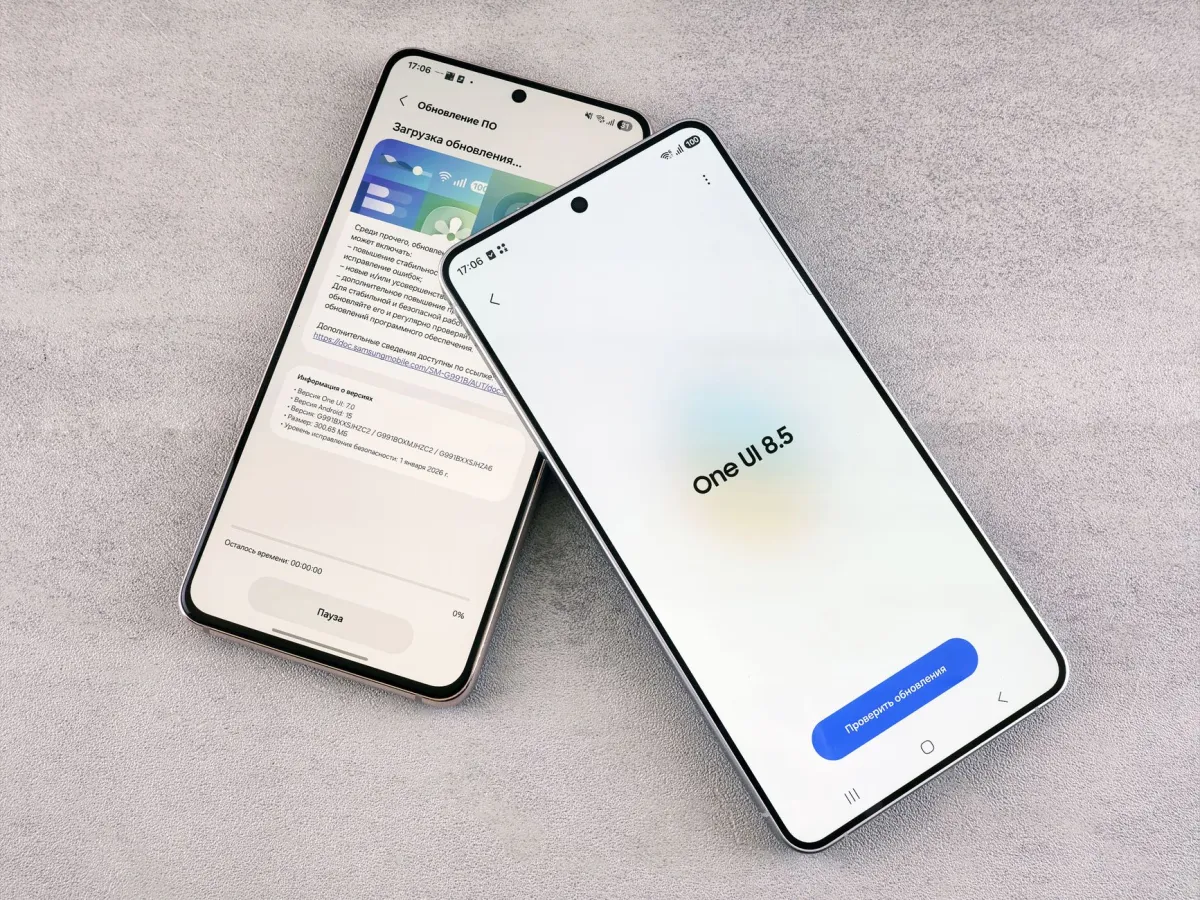
What is iPhone 16? The iPhone 16 is Apple’s flagship smartphone for 2026, built around the third‑generation 3 nm A18 SoC, a 6.1‑inch Super Retina XDR OLED panel, and a dual‑camera system that emphasizes computational photography and Dolby Vision video. It runs iOS 19, integrates tightly with the Apple ecosystem (Mac, iPad, Apple Watch, AirPods), and introduces a dedicated Camera Control button for on‑the‑fly settings.
Core Philosophy and Design
Apple continues to prioritize a minimalist silhouette, premium materials, and a single‑button interaction model. The device uses an aerospace‑grade aluminum frame, Ceramic Shield front glass, and a new Action Button that replaces the mute switch. The design language stresses durability (IP68, UWB Gen 2) while keeping the footprint identical to the previous generation.
Key Hardware Innovations
- Apple A18 (3 nm N3E) with a 6‑core CPU (2 performance, 4 efficiency cores) and 5‑core GPU.
- 16‑core Neural Engine delivering up to 25 TOPS for on‑device AI.
- 48 MP main sensor (f/1.6) paired with a 12 MP ultrawide lens; sensor‑shift OIS on the main unit.
- USB‑C port limited to USB 2.0 speeds (for compliance) but supports 20 W wired charging and 25 W MagSafe/Qi2 wireless.
- Apple Intelligence suite: on‑device language models, Visual Intelligence for photo editing, and tighter integration with iPad and Mac via Continuity.
What is the Samsung Galaxy S24?
What is Galaxy S24? The Galaxy S24 is Samsung’s 2026 flagship Android phone, featuring a 6.2‑inch Dynamic AMOLED 2X display with adaptive 120 Hz refresh, a triple‑camera system anchored by a 50 MP sensor and 3× optical telephoto, and a Snapdragon 8 Gen 3 (or Exynos 2400 internationally) processor. It ships with One UI 8 on Android 16 and a suite of AI‑driven tools.
Core Philosophy and Design
Samsung’s approach blends high‑end specifications with customization freedom. The S24’s “Armor Aluminum 2” frame and Victus 2 glass provide a sturdy feel, while the in‑display ultrasonic fingerprint sensor and 120 Hz adaptive refresh cater to power users who demand fluid interaction. The device supports USB‑C 3.2 Gen 1, enabling faster data transfer.
Key Hardware Innovations
- Snapdragon 8 Gen 3 (US/China) / Exynos 2400 (Intl) built on 4 nm, paired with 8 GB LPDDR5X.
- Triple‑camera stack: 50 MP main (f/1.8, OIS), 12 MP ultrawide, 10 MP 3× telephoto with OIS.
- 25 W Super‑Fast wired charging, 15 W wireless, and 4.5 W reverse wireless (PowerShare).
- Dynamic AMOLED 2X panel, 120 Hz adaptive, 2,600 nits peak brightness, Vision Booster for low‑light clarity.
- Galaxy AI suite (Live Translate, Generative Edit, Circle‑to‑Search) plus native Google Gemini integration.
Head-to-Head Feature Comparison
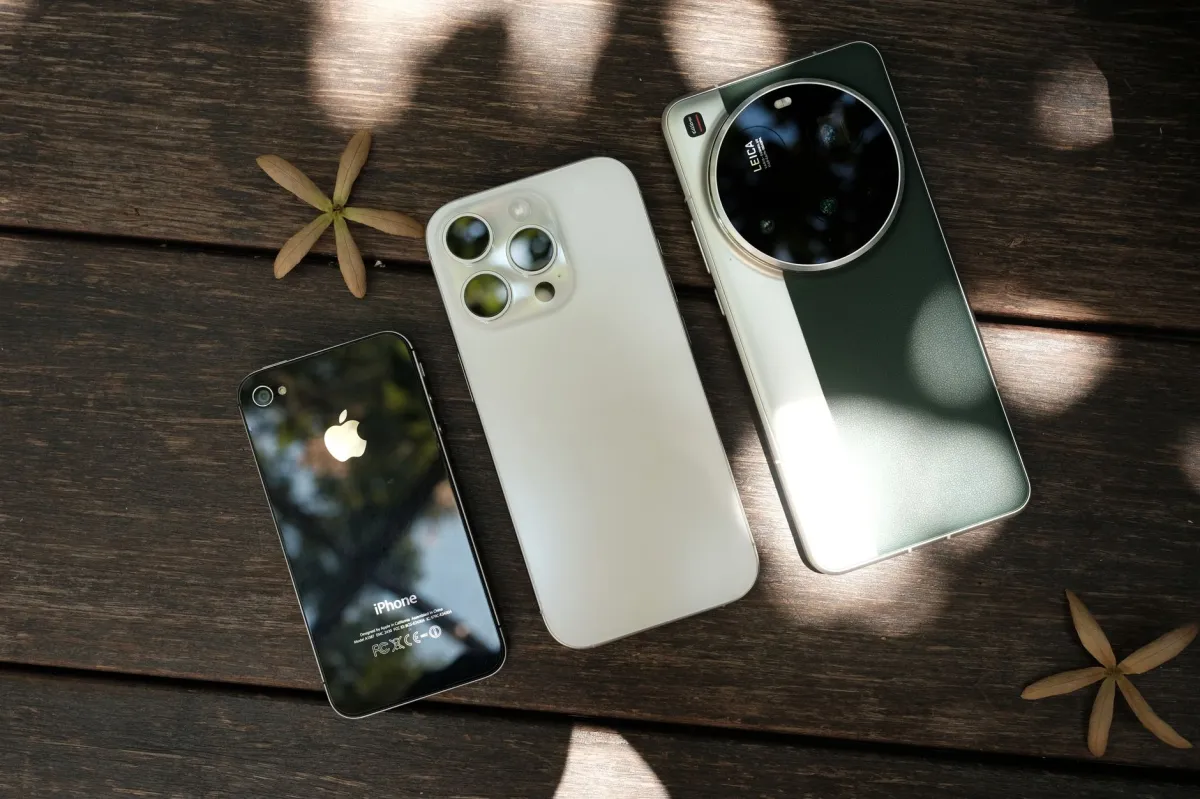
Display & Build Quality: OLED vs Super Actua
The iPhone 16’s 6.1‑inch Super Retina XDR OLED delivers true blacks and excellent color accuracy, but it is locked at 60 Hz. The Galaxy S24’s 6.2‑inch Dynamic AMOLED 2X runs at a variable 120 Hz, offering smoother scrolling and gaming. Peak brightness of 2,600 nits on the S24 outshines the iPhone’s 2,000 nits, making outdoor use easier. Both phones have IP68 ratings, but Samsung adds a slightly tougher Gorilla Glass Victus 2.
Best Display: Galaxy S24
Camera & Video Performance: Computational Photography Battle
Apple’s dual‑camera system focuses on large sensor size (48 MP) and software refinements like Photographic Styles 2.0 and Spatial Photo capture. Samsung counters with a true triple‑camera stack, adding a 3× optical telephoto and 30× Space Zoom. Video capabilities favor the iPhone with Dolby Vision HDR at 4K 60 fps, while the S24 pushes 8K 30 fps and 4K 120 fps for slow‑motion. In low‑light, Samsung’s larger aperture (f/1.8) and AI‑driven Night Mode give it an edge.
Best Camera: Galaxy S24
Battery Life & Charging Speed: Endurance and Refill Rates
The iPhone 16’s 3,561 mAh cell provides up to 22 hours of video playback. Samsung’s 4,000 mAh battery extends that to roughly 24 hours and adds reverse wireless charging for accessories. Charging speeds are comparable (20‑25 W wired), but the S24’s 25 W Super‑Fast and 15 W wireless are marginally quicker.
Best Battery & Charging: Galaxy S24
Chipset & Benchmark Performance: A‑Series vs Snapdragon/Exynos
The A18’s 3 nm efficiency gives the iPhone 16 a higher sustained performance score and lower power draw under heavy workloads. Snapdragon 8 Gen 3 is a strong peak performer but tends to throttle earlier under sustained load, especially the Exynos variant. For gaming benchmarks, the iPhone typically leads by 5‑10 % in frame‑rate stability.
Best Processor: iPhone 16
OS Updates & Features: iOS vs One UI in 2026
Apple promises six major iOS updates, keeping the iPhone on iOS 19 through at least 2032. Samsung has committed to seven years of OS and security updates, extending to 2031. Both platforms now feature on‑device AI assistants (Siri vs Galaxy AI) with generative capabilities, but the underlying ecosystems remain distinct: iOS focuses on seamless continuity, while One UI offers deeper customization and multi‑device DeX support.
OS Support: Tie
Pros & Cons Breakdown
iPhone 16 Pros & Cons
- Pros
- Industry‑leading sustained performance and efficiency.
- Strong resale value and long‑term software support.
- Dolby Vision HDR video and consistent camera processing.
- Deep integration with Apple ecosystem (Continuity, AirDrop, Find My).
- Cons
- 60 Hz display feels dated against 120 Hz competitors.
- Battery capacity smaller than many Android flagships.
- USB‑C limited to USB 2.0 speeds.
- No reverse wireless charging.
Galaxy S24 Pros & Cons
- Pros
- 120 Hz adaptive AMOLED with 2,600 nits peak brightness.
- Triple‑camera system with optical telephoto and 8K video.
- 4,000 mAh battery + reverse wireless charging.
- USB‑C 3.2 Gen 1 for fast data transfer.
- 7‑year update commitment.
- Cons
- Exynos variant lags behind Snapdragon in raw performance.
- Resale value depreciates faster than iPhone.
- Software experience can vary by region (One UI vs stock Android).
- Heavier chassis due to larger battery.
When to Choose iPhone 16 vs Galaxy S24
Scenario 1: The Ecosystem Lock‑in
If you already own a MacBook, iPad, Apple Watch, or AirPods, the iPhone 16 provides frictionless hand‑off, AirDrop file sharing, and Universal Clipboard. Example: a quick share action from Photos on macOS to iPhone opens the image instantly in the native Photos app.
Scenario 2: Productivity and Multitasking
Galaxy S24’s DeX wireless mode transforms the phone into a desktop‑like environment when paired with a monitor. Power users can launch a full‑screen Chrome window, run Linux‑based Termux, and edit documents in Microsoft Office—all from a single device.
Scenario 3: Content Creation and Social Media
Creators who need Dolby Vision HDR for Instagram Reels may favor the iPhone 16’s 4K 60 fps capture. Conversely, vloggers who want 8K footage or a true telephoto lens for portrait shots will benefit from the S24’s 3× optical zoom and AI‑enhanced video stabilization.
Who is Each Best For? (Decision Guide)
| User Persona / Profile | Recommended Choice | Key Reason & Best Fit |
|---|---|---|
| Gamer | Galaxy S24 | 120 Hz AMOLED, higher refresh, better thermal headroom under sustained load. |
| Casual User | iPhone 16 | Simple UI, reliable updates, high resale value, strong camera for everyday snaps. |
| Camera Lover | Galaxy S24 | Triple‑camera stack, optical telephoto, 8K video, AI editing suite. |
| Power User / Developer | iPhone 16 | Consistent performance, on‑device Neural Engine, Apple Intelligence for code‑assist. |
| Business Professional | Galaxy S24 | DeX desktop mode, 7‑year update pledge, robust file‑system access. |
SWOT Analysis Comparison
| iPhone 16 | Galaxy S24 | |
|---|---|---|
| Strengths | Best‑in‑class sustained performance, premium resale value, seamless Apple ecosystem. | 120 Hz AMOLED, versatile triple‑camera, larger battery with reverse charging, 7‑year update promise. |
| Weaknesses | 60 Hz display, smaller battery, limited USB‑C speed, no reverse wireless charge. | Exynos variant underperforms, faster depreciation, heavier chassis. |
| Opportunities | Potential to adopt higher‑refresh OLED in next iteration; expansion of Apple Intelligence. | Further AI integration, wider adoption of DeX for productivity, expanding 5G mmWave coverage. |
| Threats | Competitive pressure from Android flagships with higher refresh rates and telephoto lenses. | Supply‑chain volatility for Snapdragon/Exynos, regulatory challenges around AI data handling. |