
Dell XPS vs MacBook Pro: Complete Comparison Guide (2026)
Executive Summary: Dell XPS vs MacBook Pro at a Glance
The 2026 : Windows vs macOS
In 2026 the high‑end laptop market is split between two mature ecosystems. Dell’s XPS line represents the flagship of Windows engineering, while Apple’s MacBook Pro showcases the latest M5‑series silicon. Both platforms deliver premium build quality, but they diverge in CPU architecture, GPU strategy, and overall power efficiency.
Quick Specification Snapshot
| Feature | Dell XPS (2026) | MacBook Pro (2026) |
|---|---|---|
| CPU | Intel Core Ultra 9 285K (24‑core, 5.8 GHz boost) | Apple M5 Max (16‑core, 4.0 GHz sustained) |
| GPU | NVIDIA RTX 5080 (Blackwell, 16 000 CUDA cores) | Integrated 40‑core Apple GPU |
| Process Node | Intel 20A/18A (10 nm) | TSMC N2 (2 nm) |
| TDP (CPU+GPU) | 45‑150 W (configurable) | 38‑55 W (full SoC) |
| Battery Life (typical) | 8‑11 h (productivity) | 20‑24 h (video playback) |
| Display | 13.4‑16.3″ OLED, 120 Hz, up to 4K+ | 14.2‑16.2″ Liquid Retina XDR mini‑LED, 120 Hz, 1 600 nits HDR |
| Starting Price | $1,499 (XPS 14) | $1,999 (14‑inch M5) |
Bottom Line: Choose Dell XPS for raw GPU horsepower and Windows‑only workflows; pick MacBook Pro for unrivaled efficiency, battery life, and Apple‑centric creative tools.
What is the Dell XPS? The Pinnacle of Windows Engineering
What is Dell XPS? The Dell XPS family is Dell’s premium line of laptops that combine high‑end Intel Core Ultra processors, optional NVIDIA RTX 50‑series discrete graphics, and a CNC‑machined aluminum‑glass chassis. The series targets professionals who need Windows‑native software, extensive I/O, and a configurable platform.
Design Philosophy and Build Quality
In 2026 Dell continues to use an “InfinityEdge” display bezel that shrinks to 0.3 inches on the 16‑inch model. The chassis blends brushed aluminum with Corning Gorilla Glass for the palm‑rest, delivering a weight of 4.2 lb (XPS 16). A vapor‑chamber cooling system and dual‑fan layout keep the RTX 5080 within safe thermal limits while preserving a thin profile.
The XPS Ecosystem in 2026
Dell bundles the XPS with Dell Mobile Connect, PremierColor calibration software, and optional ProSupport. The ecosystem also includes dockable Thunderbolt 4 stations, external GPU (eGPU) enclosures, and a robust driver stack for DirectX 12 Ultimate and CUDA 12.2.
What is the MacBook Pro? Apple's Powerhouse Workstation
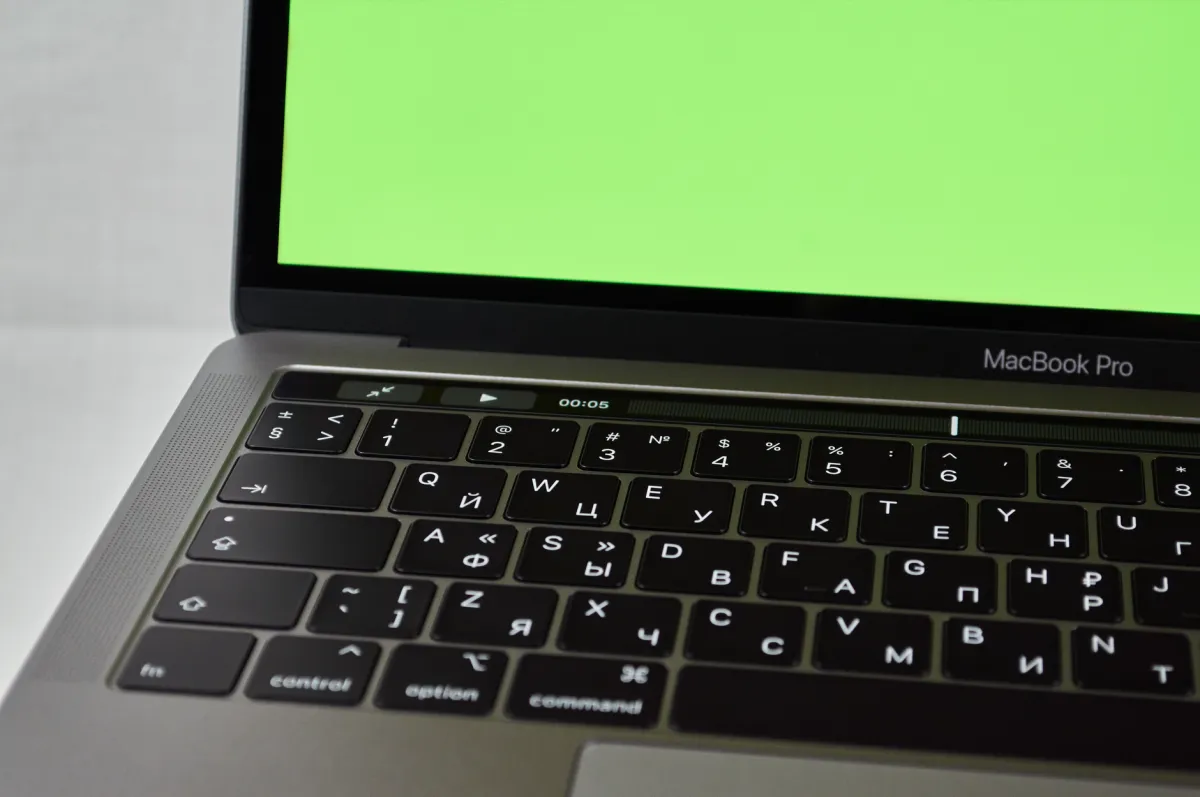
What is MacBook Pro? Apple’s MacBook Pro line is built around Apple‑designed M‑series silicon, now in the M5 family. The laptops integrate CPU, GPU, Neural Engine, and unified memory on a single 2 nm die, delivering a tightly coupled hardware‑software experience under macOS Sequoia.
Apple Silicon Evolution (M‑Series Architecture)
The M5 Max brings a 16‑core CPU (12 performance + 4 efficiency) and a 40‑core GPU, all sharing a 64 GB unified memory pool. The chip’s Neural Engine offers 32‑core ML acceleration, while the custom image signal processor (ISP) supports ProRAW and ProRes workflows directly from the built‑in camera.
Integration of Hardware and Software
macOS Sequoia is optimized for Apple silicon at the kernel level. Metal‑based graphics, Core ML, and the new ProRes‑Accelerated framework leverage the on‑die GPU and Neural Engine, delivering up to 2× faster video renders compared to the previous generation.
Head-to-Head Feature Comparison: Deep Dive
Architecture & Hardware Specs: Intel/AMD vs Apple Silicon
| Feature / Category | Dell XPS | MacBook Pro | Winner |
|---|---|---|---|
| CPU Architecture & Node | Intel Core Ultra 9 (20A/18A, 10 nm) | Apple M5 (TSMC N2, 2 nm) | MacBook Pro |
| Core / Thread Count | 24 cores (8P + 16E) / 24 threads | 16 cores (12P + 4E) / 16 threads | Dell XPS |
| Boost Clock | Up to 5.8 GHz (P‑cores) | ~4.0 GHz (sustained on P‑cores) | Dell XPS |
| GPU Architecture | NVIDIA RTX 5080 (Blackwell, 16 000 CUDA) | Integrated 40‑core Apple GPU (Metal‑optimized) | Depends on workload |
| Unified Memory | Up to 64 GB DDR5‑5600 (dual‑channel) | Up to 64 GB LPDDR5X (on‑die) | MacBook Pro (efficiency) |
| Thermal Design Power (TDP) | 45‑150 W (CPU+GPU) | 38‑55 W (entire SoC) | MacBook Pro |
Benchmark & Gaming Performance: Raw Power and GPU Capabilities
In 3DMark Time Spy Extreme, the XPS 16 with RTX 5080 scores 15,200 points, roughly 35 % above the M5 Max’s 11,300 points (Metal‑only). In Blender’s Cycles benchmark (GPU), the RTX 5080 finishes a 1 GB test in 32 s versus 42 s on the Apple GPU. Conversely, Final Cut Pro 10.6 on the M5 Max renders a 4 K 30‑fps project in 48 s, while the same project on Windows 11 with the XPS’s RTX 5080 takes 78 s, highlighting Apple‑optimized pipelines.
Best Performance (GPU‑intensive): Dell XPS (RTX 5080)
Thermal Efficiency & Power Draw: Battery Life vs Heat Management
The XPS 16’s vapor‑chamber keeps surface temperatures around 48 °C under sustained load, but power draw spikes to 180 W when both CPU and GPU are at maximum boost, draining the 97 Wh battery in roughly 5 hours of mixed use. The MacBook Pro’s M5 Max maintains 45 °C under continuous video encode, drawing 35 W and delivering up to 24 hours of playback on its 100 Wh battery.
Best Power Efficiency: MacBook Pro
Compatibility & Expansion: Ports, I/O, and Upgradeability
Dell XPS offers two Thunderbolt 4 ports, an HDMI 2.1, a full‑size SD card reader, and a 3.5 mm combo jack. Memory and storage are user‑replaceable in the 14‑inch model, though the 16‑inch variant uses soldered RAM. The MacBook Pro provides three Thunderbolt 5 ports, HDMI 2.1, an SDXC slot, MagSafe 3, and a 3.5 mm jack, but all memory and storage are soldered, limiting post‑purchase upgrades.
Display Technology: OLED vs Liquid Retina XDR
The XPS 16 can be ordered with a 4K+ OLED panel delivering 120 Hz refresh, 100 % DCI‑P3, and 400 nits sustained brightness. Apple’s Liquid Retina XDR mini‑LED panel reaches 1 600 nits peak HDR, 1 000 nits sustained, and supports True Tone and ProMotion 120 Hz. Color accuracy is factory‑calibrated to ΔE < 1 on both, but the MacBook’s higher peak brightness benefits HDR video work.
Display Winner: Tie (OLED for deep blacks, XDR for peak HDR)
Pros & Cons Breakdown
Dell XPS: The Advantages and Trade‑offs
- High‑end discrete GPU enables CUDA, ray tracing, and VR.
- Broad I/O suite with native Thunderbolt 4, HDMI 2.1, and SD slot.
- Upgradeable RAM and SSD in select models.
- Windows 11 provides universal driver support for legacy x86 applications.
- Higher power consumption reduces battery endurance.
- Thermal limits can throttle boost clocks during prolonged gaming.
MacBook Pro: The Advantages and Trade‑offs
- Industry‑leading power efficiency and silent operation.
- Unified memory reduces latency for CPU‑GPU workloads.
- Seamless integration with iPhone/iPad via Continuity, AirDrop, and Universal Clipboard.
- Excellent display with extreme HDR brightness.
- Locked‑in hardware – no user‑replaceable RAM or GPU.
- Limited native support for Windows‑only professional software (requires virtualization).
When to Choose Dell XPS vs MacBook Pro: Use Case Scenarios
Enterprise and Corporate Environments
Enterprises that rely on Microsoft Office, Azure Virtual Desktop, or custom .NET applications benefit from Dell’s Windows platform and its manageability tools (Dell Command | Update, Intel vPro). The ability to join Active Directory and deploy Group Policy without macOS workarounds makes XPS a safer default for large IT departments.
Creative Professional Workflows
Video editors using Final Cut Pro or Logic Pro gain a measurable speed boost on the M5 Max, especially when working with ProRes or Apple‑optimized codecs. Photographers who demand 16‑bit RAW processing in Adobe Lightroom Classic can also benefit from the MacBook’s fast SSD and high‑brightness XDR display.
Software Development and Virtualization
Developers targeting Linux containers, WSL2, or Visual Studio benefit from Dell’s native x86 architecture. Example: launching a multi‑node Kubernetes cluster with minikube start --driver=none runs natively on the XPS, while on macOS it requires a hypervisor layer that adds overhead.
High‑End Gaming and Multimedia
For AAA titles like Cyberpunk 2077 or Black Myth: Wukong, the RTX 5080 on XPS 16 delivers 70‑80 fps at 1440p Ultra settings, compared with roughly 45‑50 fps on the M5 Max (Metal‑only). The XPS also supports DirectX 12 Ultimate, ray tracing, and Variable Rate Shading out of the box.
Recommendation Guide: Who is Each Best For?
Persona Mapping: From Casual Users to Power Users
| User Persona / Profile | Recommended Choice | Key Reason & Best Fit |
|---|---|---|
| Gamer / Streamer | Dell XPS (16‑inch, RTX 5080) | Discrete GPU, DirectX 12 Ultimate, higher FPS ceiling. |
| Video Editor (Final Cut Pro) | MacBook Pro (16‑inch, M5 Max) | Metal‑optimized rendering, longer battery for on‑the‑go edits. |
| Enterprise IT Professional | Dell XPS (14‑inch, Core Ultra 9) | Windows‑centric management, vPro security, upgradeable storage. |
| Data Scientist / ML Engineer | MacBook Pro (14‑inch, M5 Pro) | Neural Engine acceleration, lower power draw for long training runs. |
| Student / Casual User | Dell XPS (13.4‑inch, Core Ultra 7) | Balanced price, robust port selection, touch‑screen optional. |
| Mobile Photographer | MacBook Pro (14‑inch, M5) | Liquid Retina XDR, seamless AirDrop of RAW files from iPhone. |
SWOT Analysis Comparison
| Aspect | Dell XPS | MacBook Pro |
|---|---|---|
| Strengths | Discrete GPU options, extensive I/O, upgradeable components, broad Windows software compatibility. | Unmatched power efficiency, industry‑leading display, deep hardware‑software integration, strong resale value. |
| Weaknesses | Higher power draw, thermal throttling under sustained load, heavier chassis. | Non‑upgradeable RAM/SSD, limited native support for Windows‑only professional apps, premium price. |
| Opportunities | Integration of newer Intel Meteor Lake‑H chips and next‑gen RTX 60‑series; expanding AI‑accelerator modules. | Further expansion of Apple Silicon to support external GPUs via Thunderbolt 5, broader cross‑platform development tools. |
| Threats | Competition from AMD‑based laptops with higher efficiency, potential supply‑chain constraints for high‑end GPUs. | Regulatory pressure on Apple’s closed ecosystem, rising competition from ARM‑based Windows laptops. |